
Search Result
- TASI
-
Energy
- 2222 - SAUDI ARAMCO
- 2030 - SARCO
- 2380 - PETRO RABIGH
- 4030 - BAHRI
- 2381 - ARABIAN DRILLING
- 2382 - ADES
- 1201 - TAKWEEN
- 1202 - MEPCO
- 1210 - BCI
- 1211 - MAADEN
- 1301 - ASLAK
- 1304 - ALYAMAMAH STEEL
- 1320 - SSP
- 2001 - CHEMANOL
- 2010 - SABIC
- 2020 - SABIC AGRI-NUTRIENTS
- 2090 - NGC
- 2150 - ZOUJAJ
- 2170 - ALUJAIN
- 2180 - FIPCO
- 2200 - APC
- 2210 - NAMA CHEMICALS
- 2220 - MAADANIYAH
- 2240 - SENAAT
- 2250 - SIIG
- 2290 - YANSAB
- 2300 - SPM
- 2310 - SIPCHEM
- 2330 - ADVANCED
- 2350 - SAUDI KAYAN
- 3002 - NAJRAN CEMENT
- 3003 - CITY CEMENT
- 3004 - NORTHERN CEMENT
- 3005 - UACC
- 3010 - ACC
- 3020 - YC
- 3030 - SAUDI CEMENT
- 3040 - QACCO
- 3050 - SPCC
- 3060 - YCC
- 3080 - EPCCO
- 3090 - TCC
- 3091 - JOUF CEMENT
- 3092 - RIYADH CEMENT
- 2060 - TASNEE
- 3008 - ALKATHIRI
- 3007 - OASIS
- 1321 - EAST PIPES
- 1322 - AMAK
- 2223 - LUBEREF
- 1324 - SALEH ALRASHED
- 2360 - SVCP
- 1323 - UCIC
- 4143 - TALCO
- 1212 - ASTRA INDUSTRIAL
- 4146 - GAS
- 1302 - BAWAN
- 1303 - EIC
- 4148 - ALWASAIL INDUSTRIAL
- 4145 - OGC
- 2040 - SAUDI CERAMICS
- 2110 - SAUDI CABLE
- 4144 - RAOOM
- 2160 - AMIANTIT
- 2320 - ALBABTAIN
- 2370 - MESC
- 4140 - SIECO
- 4141 - ALOMRAN
- 4142 - RIYADH CABLES
- 1214 - SHAKER
- 4110 - BATIC
- 4147 - CGS
- 4031 - SGS
- 4040 - SAPTCO
- 4260 - BUDGET SAUDI
- 2190 - SISCO HOLDING
- 4261 - THEEB
- 4263 - SAL
- 4262 - LUMI
- 4265 - CHERRY
- 4264 - FLYNAS
- 1810 - SEERA
- 6013 - DWF
- 1820 - BAAN
- 4170 - TECO
- 4290 - ALKHALEEJ TRNG
- 6017 - JAHEZ
- 6002 - HERFY FOODS
- 1830 - LEEJAM SPORTS
- 6012 - RAYDAN
- 4291 - NCLE
- 4292 - ATAA
- 6014 - ALAMAR
- 6015 - AMERICANA
- 6016 - BURGERIZZR
- 6018 - SPORT CLUBS
- 6019 - ALMASAR ALSHAMIL
- 6022 - ARMAH
- 4250 - JABAL OMAR
- 4090 - TAIBA
- 4003 - EXTRA
- 4008 - SACO
- 4050 - SASCO
- 4190 - JARIR
- 4240 - CENOMI RETAIL
- 4191 - ABO MOATI
- 4051 - BAAZEEM
- 4192 - ALSAIF GALLERY
- 4193 - NICE ONE
- 4194 - BUILD STATION
- 4200 - ALDREES
- 4180 - FITAIHI GROUP
- 4001 - A.OTHAIM MARKET
- 4006 - FARM SUPERSTORES
- 4061 - ANAAM HOLDING
- 4160 - THIMAR
- 4161 - BINDAWOOD
- 4162 - ALMUNAJEM
- 4164 - NAHDI
- 4163 - ALDAWAA
- 2050 - SAVOLA GROUP
- 2100 - WAFRAH
- 2270 - SADAFCO
- 2280 - ALMARAI
- 6001 - HB
- 2288 - NOFOTH
- 6010 - NADEC
- 6020 - GACO
- 6040 - TADCO
- 6050 - SFICO
- 6060 - SHARQIYAH DEV
- 6070 - ALJOUF
- 6090 - JAZADCO
- 2281 - TANMIAH
- 2282 - NAQI
- 2283 - FIRST MILLS
- 4080 - SINAD HOLDING
- 2284 - MODERN MILLS
- 2285 - ARABIAN MILLS
- 2286 - FOURTH MILLING
- 2287 - ENTAJ
- 2140 - AYYAN
- 4002 - MOUWASAT
- 4021 - CMCER
- 4004 - DALLAH HEALTH
- 4005 - CARE
- 4007 - ALHAMMADI
- 4009 - SAUDI GERMAN HEALTH
- 2230 - CHEMICAL
- 4013 - SULAIMAN ALHABIB
- 4014 - EQUIPMENT HOUSE
- 4017 - FAKEEH CARE
- 4018 - ALMOOSA
- 4019 - SMC HEALTHCARE
- 1010 - RIBL
- 1020 - BJAZ
- 1030 - SAIB
- 1050 - BSF
- 1060 - SAB
- 1080 - ANB
- 1120 - ALRAJHI
- 1140 - ALBILAD
- 1150 - ALINMA
- 1180 - SNB
- 2120 - SAIC
- 4280 - KINGDOM
- 4130 - SAUDI DARB
- 4081 - NAYIFAT
- 1111 - TADAWUL GROUP
- 4082 - MRNA
- 1182 - AMLAK
- 1183 - SHL
- 4083 - TASHEEL
- 4084 - DERAYAH
- 8010 - TAWUNIYA
- 8012 - JAZIRA TAKAFUL
- 8020 - MALATH INSURANCE
- 8030 - MEDGULF
- 8040 - MUTAKAMELA
- 8050 - SALAMA
- 8060 - WALAA
- 8070 - ARABIAN SHIELD
- 8190 - UCA
- 8230 - ALRAJHI TAKAFUL
- 8280 - LIVA
- 8150 - ACIG
- 8210 - BUPA ARABIA
- 8180 - ALSAGR INSURANCE
- 8170 - ALETIHAD
- 8100 - SAICO
- 8120 - GULF UNION ALAHLIA
- 8200 - SAUDI RE
- 8160 - AICC
- 8250 - GIG
- 8240 - CHUBB
- 8260 - GULF GENERAL
- 8300 - WATANIYA
- 8310 - AMANA INSURANCE
- 8311 - ENAYA
- 8313 - RASAN
- 4330 - RIYAD REIT
- 4331 - ALJAZIRA REIT
- 4332 - JADWA REIT ALHARAMAIN
- 4333 - TALEEM REIT
- 4334 - AL MAATHER REIT
- 4335 - MUSHARAKA REIT
- 4336 - MULKIA REIT
- 4338 - ALAHLI REIT 1
- 4337 - Al AZIZIAH REIT
- 4342 - JADWA REIT SAUDI
- 4340 - Al RAJHI REIT
- 4339 - DERAYAH REIT
- 4344 - SEDCO CAPITAL REIT
- 4347 - BONYAN REIT
- 4345 - ALINMA RETAIL REIT
- 4346 - MEFIC REIT
- 4348 - ALKHABEER REIT
- 4349 - ALINMA HOSPITALITY REIT
- 4350 - ALISTITHMAR REIT
- 4020 - ALAKARIA
- 4324 - BANAN
- 4328 - LADUN
- 4323 - SUMOU
- 4100 - MCDC
- 4150 - ARDCO
- 4220 - EMAAR EC
- 4230 - RED SEA
- 4300 - DAR ALARKAN
- 4310 - KEC
- 4320 - ALANDALUS
- 4321 - CENOMI CENTERS
- 4322 - RETAL
- 4326 - ALMAJDIAH
- 4325 - MASAR
- 4327 - AlRAMZ
- 9400 - YAQEEN 30 ETF
- 9401 - YAQEEN PETROCHEMICAL ETF
- 9402 - SABI QUANT ETF
- 9403 - ALBILAD SOVEREIGN SUKUK ETF
- 9405 - ALBILAD GOLD ETF
- 9406 - ALBILAD US ETF
- 9408 - ALBILAD SAUDI GROWTH ETF
- 9409 - YAQEEN ESG ETF
- 9410 - ALBILAD HONG KONG CHINA ETF
- 9411 - SABI HK ETF
- 9412 - Albilad MSCI Saudi Equity ETF
- 9404 - ALINMA GOVERNMENT SUKUK ETF
- 9407 - ALBILAD US TECH ETF
- 9413 - ALRAJHI SAUDI EQUITY ETF
- NOMU
-
Media and Entertainment
Real Estate Mgmt & Dev't
- 9521 - INMAR
- 9591 - VIEW
- 9610 - FIRST AVENUE
- 9634 - ADEER
- 9640 - ASAS MAKEEN
- 9648 - HAMAD BIN SAEDAN REAL ESTATE
- 9641 - HAWYIA
- 9655 - MSGA
- 9515 - FESH FASH
- 9532 - HILWA
- 9536 - FADECO
- 9559 - BALADY
- 9564 - HORIZON FOOD
- 9555 - LEEN ALKHAIR
- 9612 - SAMA WATER
- 9622 - SMC
- 9644 - NAF
- 9650 - SAHAT ALMAJD
- 9530 - TIBBIYAH
- 9527 - AME
- 9544 - FUTURE CARE
- 9546 - NABA ALSAHA
- 9574 - PRO MEDEX
- 9594 - ALMODAWAT
- 9572 - ALRAZI
- 9587 - LANA
- 9600 - QOMEL
- 9604 - MIRAL
- 9626 - SMILE CARE
- 9616 - JANA
- 9627 - TMC
- 9620 - BALSM MEDICAL
- 9647 - WAJD LIFE
- 9513 - WATANI STEEL
- 9514 - ALNAQOOL
- 9523 - GROUP FIVE
- 9539 - AQASEEM
- 9548 - APICO
- 9553 - MOLAN
- 9565 - MEYAR
- 9552 - SAUDI TOP
- 9563 - BENA
- 9566 - LIME INDUSTRIES
- 9580 - ALRASHID INDUSTRIAL
- 9576 - PAPER HOME
- 9588 - RIYADH STEEL
- 9575 - MARBLE DESIGN
- 9599 - TAQAT
- 9601 - ALRASHEED
- 9605 - NEFT ALSHARQ
- 9607 - ASG
- 9609 - NAAS PETROL
- 9623 - ALBATTAL FACTORY
- 9510 - NBM
- 9533 - SPC
- 9542 - KEIR
- 9547 - RAWASI
- 9568 - MAYAR
- 9569 - ALMUNEEF
- 9578 - ATLAS ELEVATORS
- 9560 - WAJA
- 9611 - UFG
- 9624 - ALSHEHILI METAL
- 9583 - UNITED MINING
- 9608 - ALASHGHAL ALMOYSRA
- 9631 - HKC
- 9619 - MULTI BUSINESS
- 9540 - TADWEEER
- 9545 - ALDAWLIAH
- 9570 - TAM DEVELOPMENT
- 9593 - PAN GULF
- 9597 - LEAF
- 9606 - THARWAH
- 9613 - SHALFA
- 9621 - DRC
- 9625 - ITMAM
- 9541 - ACADEMY OF LEARNING
- 9562 - FOOD GATE
- 9598 - ALMOHAFAZA FOR EDUCATION
- 9603 - HORIZON EDUCATIONAL
- 9567 - GHIDA ALSULTAN
- 9617 - ARABICA STAR
- 9630 - RATIO
- 9628 - LAMASAT
- 9632 - FUTURE VISION
- 9636 - AlKUZAMA
- 9581 - CLEAN LIFE
- 9522 - ALHASOOB
- 9537 - AMWAJ INTERNATIONAL
- 9551 - KNOWLEDGE TOWER
- 9589 - FAD
- 9649 - JAMJOOM FASHION
- 9651 - ALTWIJRI
- 9633 - SERVICE EQUIPMENT
- 9618 - ALFAKHERA
- 9538 - NASEEJ TECH
- 9543 - NETWORKERS
- 9550 - SURE
- 9557 - EDARAT
- 9561 - KNOWLEDGENET
- 9558 - ALQEMAM
- 9595 - WSM
- 9524 - AICTEC
- 9614 - PURITY
- 9637 - AXELERATED SOLUTIONS
- 9639 - ANMAT

Sign In
×Forgot password?
×-
 Bank Ranking
Banks Ratios
Cement Statistics
Cement Ranking
Cement Ratios
Monetary and Economic Statistics
Oil, Gas and Fuel
Macro Economy
Consumer Spending
Inflation
Exports & Imports
Food Prices
Non Food Prices
Construction Materials
Petrochem. Ranking
Petrochem. Ratios
Retail Rankings
Retail Ratios
Grocery Ranking
Grocery Ratios
Top Growth
Dividend History
Bank Ranking
Banks Ratios
Cement Statistics
Cement Ranking
Cement Ratios
Monetary and Economic Statistics
Oil, Gas and Fuel
Macro Economy
Consumer Spending
Inflation
Exports & Imports
Food Prices
Non Food Prices
Construction Materials
Petrochem. Ranking
Petrochem. Ratios
Retail Rankings
Retail Ratios
Grocery Ranking
Grocery Ratios
Top Growth
Dividend History
Argaam Tools
×

Strong credit demand drives Saudi banks’ earnings: Analysts



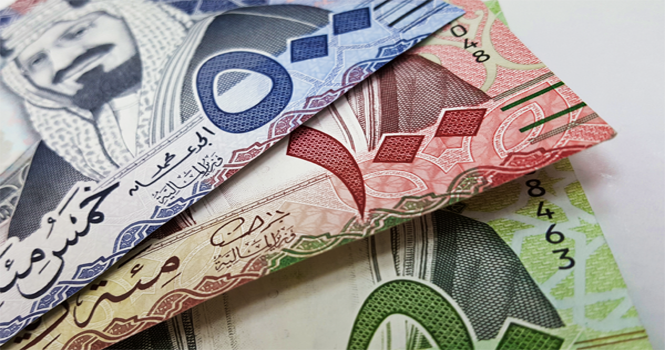
Al Rajhi Bank and SNB led major lenders’ earnings growth in the first quarter
Most Saudi banks that disclosed Q1 2026 results beat analyst estimates by a margin, an Argaam survey showed.
Al Rajhi Bank’s Q1 profit rose 14% to SAR 6.75 billion, while Saudi National Bank (SNB) posted a 7% growth to SAR 6.42 billion.
Riyad Bank, Arab National Bank (ANB), Banque Saudi Fransi (BSF), and Bank Albilad reported growth at a slower pace, while Bank AlJazira recorded around 12% profit rise to SAR 405 million.
The continued growth in banks’ profit, despite higher interest rates, reflects strong demand for credit, analysts surveyed by Argaam said. The main challenge, however, lies in banks’ ability to maintain efficient cost-to-income ratios, they noted.
Difference in Earnings
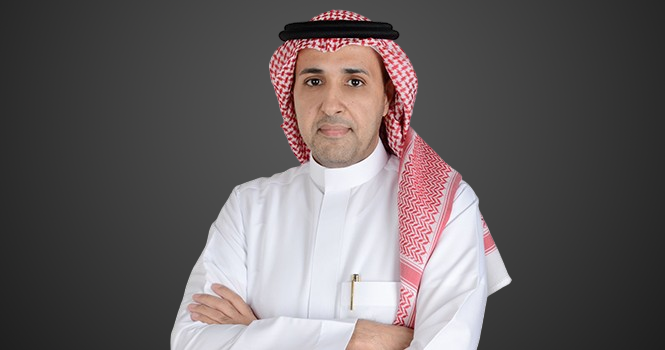
Saad Althagfan, economic analyst and board member of the Saudi Economic Association
Saad Althagfan, Economic Analyst and Board Member at Saudi Economic Association, believes that continued growth in banks’ profit, despite higher interest rates, reflect stronger demand for credit.
This, he said, is backed by non-oil economic growth, which underpins asset quality and curbs credit risks.
Higher deposit costs, along with the increased cost of sukuk and bonds issued recently by banks, weigh on profitability despite loan growth, Althagfan noted, expecting the credit portfolio to continue expanding but at a limited single-digit pace.
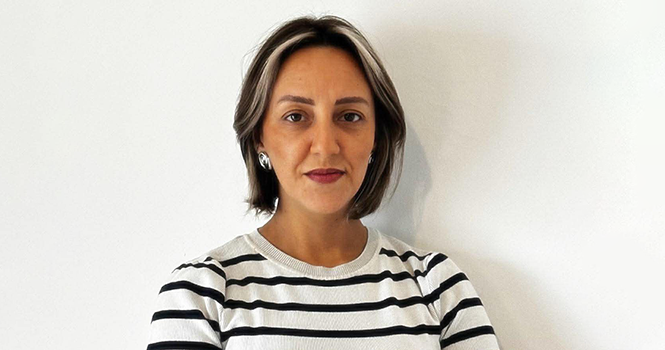
Rania Qanaba, Banking Sector Financial Analyst at Alpha MENA
Rania Qanaba, Financial Analyst at Alpha MENA, underlined that Riayd Bank’s and SNB’s first-quarter operating performance was driven by recovery operations.
Revenue growth, however, was lackluster and is expected to decline over the coming period amid slower loan growth. “The key challenge lies in banks’ ability to maintain efficient cost-to-income ratios.”
Continued recovery operations will remain a supportive factor for profitability in the short term, she added.
Additionally, results of both SNB and Riyad Bank underscore slower loan growth compared to 2025, along with expected weaker revenue over the coming quarters, particularly net special commission income.
Non-interest income growth also slowed, implying pressure on banks’ operating revenue in the coming periods.
Liquidity and Deposits
On liquidity, Althagfan ruled out a notable deposit outflow even if geopolitical tensions persist. Data showed continued deposit growth, he said, describing a major decline scenario as unrealistic.
The central bank intervenes when needed to inject liquidity into the banking sector through various tools, he added.
On the other hand, Qanaba said liquidity pressures remain a key challenge, but a scenario involving a 10% deposit outflow is considered pessimistic given the limited share of foreign deposits.
She also pointed to possible localized pressure emerging from competition for deposits. The central bank will likely intervene by cutting the reserve requirement ratio (RRR) and expanding repurchase tools, alongside reallocating public-sector deposits.
Asset Quality and Credit Risks
On credit, Althagfan said loan growth and asset quality remain the two key factors for banks’ performance. He indicated that the sector enjoys high asset quality and lower non-performing loans (NPLs), which reduces the need for large provisions allocation.
He also expects the corporate segment to lead lending growth, backed by economic expansion and higher demand from companies.
Qanaba, meanwhile, highlighted slower credit growth year-to-date, with this trend expected to accelerate amid weak financing demand, especially in the real estate sector. This was also reflected in the slump of the new housing mortgage for individuals since February.
This slowdown may be partly offset by higher demand for working capital financing from companies as a result of supply chain disruptions.
She said loan growth will continue to be supported by Saudi Vision 2030 projects, alongside continued focus on financing small and medium-sized enterprises (SMEs), whose share of total loans has remarkably risen in recent years, backed by lower credit risk government programs.
Interest Rate Impact
Qanaba forecast the markets to adopt a wait-and-see approach, with expectations for rate cuts potentially returning in H1 2026, especially if geopolitical conditions improve. Lower interest rates could support some banks depending on their funding structure.
Sector Outlook
Looking ahead, Qanaba expects banks to report slower growth during 2026 due to margin pressure and higher credit-loss provisions. Meanwhile, improved operating efficiency may help ease these pressures and support continued profit growth at a moderate pace.
Comments {{getCommentCount()}}
Be the first to comment
رد{{comment.DisplayName}} على {{getCommenterName(comment.ParentThreadID)}}
{{comment.DisplayName}}

{{comment.ElapsedTime}}


Market Indices
Popular Links
Quick Links
About Us
Join Us
Argaam Investment Company has updated the Privacy Policy of its services and digital platforms. Know more about our Privacy Policy here.
Argaam uses cookies to personalize content, to provide social media features and analyze traffic, that we might also share with third parties. You consent to our cookies if you use this website
Comments Analysis: