 AI Summary


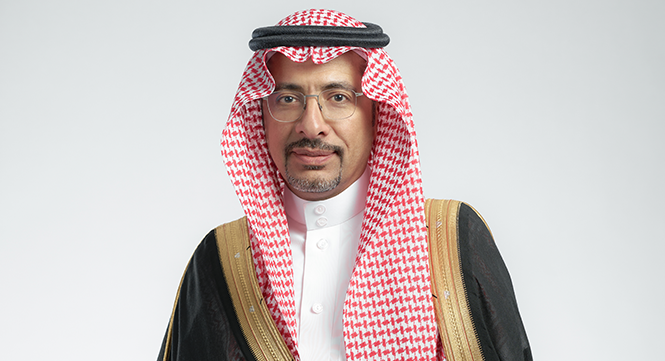
Bandar Al-Khorayef, Minister of Industry and Mineral Resources
The decision to abolish the financial levy imposed on expatriate workers in industrial facilities will enhance the global competitiveness of Saudi industry and expand the reach and penetration of non-oil exports across international markets, said Bandar Alkhorayef, Minister of Industry and Mineral Resources.
In his remarks to the Saudi Press Agency (SPA), the minister said the decision reflects the continued support and empowerment extended to the industrial sector by the Crown Prince, noting that industry is a key pillar of national economic diversification under Saudi Vision 2030.
He explained that the decision will strengthen sustainable industrial development in the Kingdom, enhance national industrial capabilities, and attract more high-quality investments, supported by the incentives and enablers offered by the industrial ecosystem.
He added that it will reduce factories’ operating costs, enabling them to expand, grow, and increase production, while accelerating the adoption of modern operating models such as automation, artificial intelligence, and advanced manufacturing technologies—thereby improving efficiency and enhancing the sector’s global competitiveness.
Alkhorayef reaffirmed the ministry’s commitment to supporting the continued growth of the industrial sector in the coming period, attracting international investment, and providing 800 investment opportunities across various industrial activities valued at SAR 1 trillion, in addition to tripling industrial GDP to SAR 895 billion by 2035.
He noted that the government’s assumption of the expat levy over the past six years—during the first and second exemption periods from Oct. 1, 2019, to Dec. 31, 2025—played a pivotal role in driving qualitative growth in the industrial sector and expanding the Kingdom’s industrial base.
The minister added that between 2019 and the end of 2024, the sector achieved significant milestones, including an increase in the number of industrial facilities from 8,822 factories to more than 12,000, and a 35% rise in total industrial investments from SAR 908 billion to SAR 1.22 trillion.
Non-oil exports grew by 16%, increasing from SAR 187 billion to SAR 217 billion, while employment rose by 74%, from 488,000 workers to 847,000. Localization increased from 29% to 31%, and industrial GDP expanded by 56%, rising from SAR 322 billion to more than SAR 501 billion.
Be the first to comment







Comments Analysis: