 AI Summary


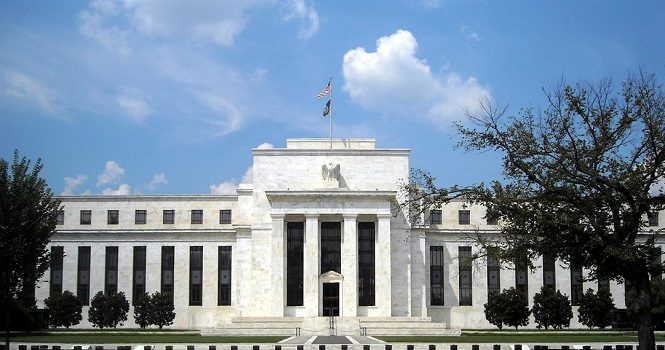
The Federal Reserve headquarters
The Federal Reserve's first meeting of 2026 commenced yesterday and concludes today, Jan. 28, amid cautious anticipation in global markets. Prevailing expectations suggest the US central bank will keep interest rates unchanged, pausing after three stright cuts in its September, October, and December 2025 meetings.
The meeting occurs amid a complex economic and political backdrop, with inflation above the Fed’s target and concerns over its independence rising as President Trump readies his nominee for Fed chair, while analysts expect the Fed to maintain policy despite pressure on Chair Powell and growing speculation over successors like Rick Rieder.
97% of markets price in no change
Ahmed Azzam, Head of Market Analysis & Research at Equiti Group, said markets price a roughly 97% chance of rates remaining unchanged, citing 2.7% inflation above target, robust growth, and 4.4% unemployment, giving the Fed reason to “buy time” while managing internal divisions.

Ahmed Azzam, Head of Market Analysis & Research at Equiti Group
Samer Hasn, Senior Analyst at XS Forex Trade, said Chicago futures markets price in almost certain continuity and noted expectations have built since late last year amid concerns over inflation risks, with markets also largely expecting rates to hold in March.

Samer Hasn, Senior Analyst at XS.com
Powell expected to strike cautious tone
Azzam said Powell’s post-meeting remarks will likely be cautious, with no near-term cut promises or full hawkish shift, emphasizing data-dependent policy to defend Fed independence.
Markets have cut easing expectations to about 44 basis points this year, with no full cut priced before July, limiting major surprises, Hasn said, while Powell could still take a firmer tone amid labor market warnings, and Trump’s tariffs and global energy risks may keep policymakers cautious about inflation-boosting cuts.
Dollar decline reflects political pressure, deep market concerns
Azzam said the dollar’s decline reflects Trump’s preference for a weaker dollar, trade and fiscal uncertainty, and Fed independence concerns amid a rising US deficit, calling it an “America sell-off” rather than a market-driven move, while Hasn added its waning safe-haven appeal reflects White House jitters and declining confidence in Fed independence.
Rick Rieder could signal more flexible policy if appointed Fed chair
Azzam noted Rieder favors faster cuts when data allows, focusing on credit and housing, but any policy shift would be gradual, needing consensus among the 12-member Federal Open Market Committee (FOMC) and seven participants, making changes a “rhythm and language adjustment” rather than an abrupt reversal.
Hasn added that Rieder may pursue looser policy if appointed, revising Fed approaches to borrowing costs via bond operations and influencing the yield curve, and could ease policy more broadly if equity markets sharply reverse, which the Fed currently de-emphasizes.
Be the first to comment


Comments Analysis: