 AI Summary


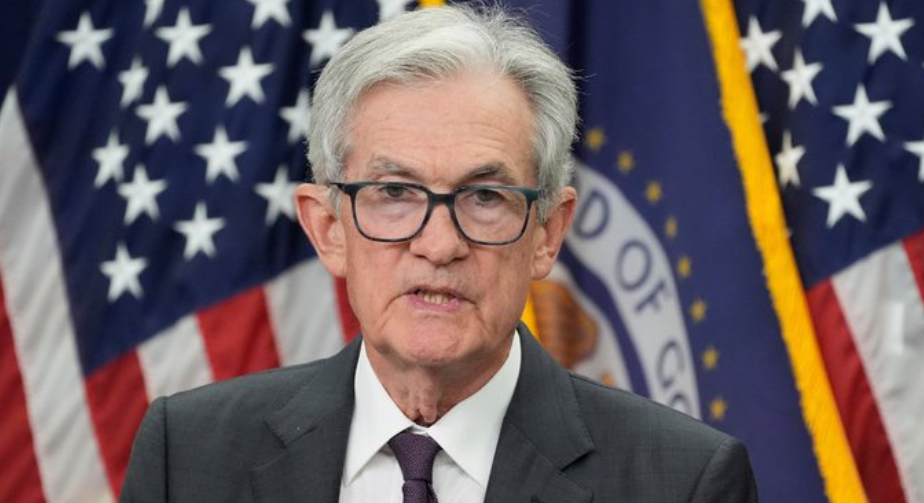
Jerome Powell, Chairperson of US Federal Reserve
The Chair of the Federal Reserve, Jerome Powell, said the US central bank is making tangible progress on inflation, but not as much as hoped. He also warned of greater price pressures due to the war in Iran.
“It should come as we start to see in the middle of the year, progress on tariffs... going through once and then tariff inflation coming down,” Powell noted.
He added that the rate forecast is conditional on the performance of the economy. "So, if we don’t see that progress, then you won’t see the rate cut.”
The monetary policy is not on a preset course and the central bank will make decisions on a meeting-by-meeting basis.
“Near-term measures of inflation expectations have risen in recent weeks, likely reflecting the substantial rise in oil prices caused by the supply disruptions in the Middle East,” the Fed Chair said.
In the near term, higher energy prices will push up overall inflation, but it is too soon to know the scope and duration of the potential effects on the economy.
“So we’re in a difficult situation, and we feel like … our framework calls on us to balance the risks, and we feel like where we are now is just kind of on that borderline, the higher borderline of restrictive versus not restrictive,” he added.
Shocks resulting from surging oil prices could certainly weigh down the US economy.
The net of the oil shock will still be some downward pressure on spending and employment and upward pressure on inflation.
But these shocks could be offset by higher energy production in the US.
“We’re a net exporter of energy, right? So, any effects on employment and economic activity and spending would be offset to some extent, by the fact that our oil companies will be more profitable, and they may even do more drilling,” he said.
“The Fed has been assigned two goals for monetary policy: maximum employment and stable prices,” Powell added. “We remain committed to supporting maximum employment, bringing inflation sustainably to our 2% goal, and keeping the longer-term inflation expectations well anchored.”
With fears of higher oil prices heating up inflation while weakening growth, Fed Chair Powell said that he wouldn’t use the term “stagflation” to describe the US economy.
“I always have to point out that that was a 1970s term, at a time when unemployment was in double figures and inflation was really high,” he said. “We actually have unemployment really close to longer-run normal, and we have inflation that’s 1 percentage point above that.”
Be the first to comment


Comments Analysis: