
Search Result
- TASI
-
Energy
- 2222 - SAUDI ARAMCO
- 2030 - SARCO
- 2380 - PETRO RABIGH
- 4030 - BAHRI
- 2381 - ARABIAN DRILLING
- 2382 - ADES
- 1201 - TAKWEEN
- 1202 - MEPCO
- 1210 - BCI
- 1211 - MAADEN
- 1301 - ASLAK
- 1304 - ALYAMAMAH STEEL
- 1320 - SSP
- 2001 - CHEMANOL
- 2010 - SABIC
- 2020 - SABIC AGRI-NUTRIENTS
- 2090 - NGC
- 2150 - ZOUJAJ
- 2170 - ALUJAIN
- 2180 - FIPCO
- 2200 - APC
- 2210 - NAMA CHEMICALS
- 2220 - MAADANIYAH
- 2240 - SENAAT
- 2250 - SIIG
- 2290 - YANSAB
- 2300 - SPM
- 2310 - SIPCHEM
- 2330 - ADVANCED
- 2350 - SAUDI KAYAN
- 3002 - NAJRAN CEMENT
- 3003 - CITY CEMENT
- 3004 - NORTHERN CEMENT
- 3005 - UACC
- 3010 - ACC
- 3020 - YC
- 3030 - SAUDI CEMENT
- 3040 - QACCO
- 3050 - SPCC
- 3060 - YCC
- 3080 - EPCCO
- 3090 - TCC
- 3091 - JOUF CEMENT
- 3092 - RIYADH CEMENT
- 2060 - TASNEE
- 3008 - ALKATHIRI
- 3007 - OASIS
- 1321 - EAST PIPES
- 1322 - AMAK
- 2223 - LUBEREF
- 1324 - SALEH ALRASHED
- 2360 - SVCP
- 1323 - UCIC
- 4143 - TALCO
- 1212 - ASTRA INDUSTRIAL
- 4146 - GAS
- 1302 - BAWAN
- 1303 - EIC
- 4148 - ALWASAIL INDUSTRIAL
- 4145 - OGC
- 2040 - SAUDI CERAMICS
- 2110 - SAUDI CABLE
- 4144 - RAOOM
- 2160 - AMIANTIT
- 2320 - ALBABTAIN
- 2370 - MESC
- 4140 - SIECO
- 4141 - ALOMRAN
- 4142 - RIYADH CABLES
- 1214 - SHAKER
- 4110 - BATIC
- 4147 - CGS
- 4031 - SGS
- 4040 - SAPTCO
- 4260 - BUDGET SAUDI
- 2190 - SISCO HOLDING
- 4261 - THEEB
- 4263 - SAL
- 4262 - LUMI
- 4265 - CHERRY
- 4264 - FLYNAS
- 1810 - SEERA
- 6013 - DWF
- 1820 - BAAN
- 4170 - TECO
- 4290 - ALKHALEEJ TRNG
- 6017 - JAHEZ
- 6002 - HERFY FOODS
- 1830 - LEEJAM SPORTS
- 6012 - RAYDAN
- 4291 - NCLE
- 4292 - ATAA
- 6014 - ALAMAR
- 6015 - AMERICANA
- 6016 - BURGERIZZR
- 6018 - SPORT CLUBS
- 6019 - ALMASAR ALSHAMIL
- 6022 - ARMAH
- 4250 - JABAL OMAR
- 4090 - TAIBA
- 4003 - EXTRA
- 4008 - SACO
- 4050 - SASCO
- 4190 - JARIR
- 4240 - CENOMI RETAIL
- 4191 - ABO MOATI
- 4051 - BAAZEEM
- 4192 - ALSAIF GALLERY
- 4193 - NICE ONE
- 4194 - BUILD STATION
- 4200 - ALDREES
- 4180 - FITAIHI GROUP
- 4001 - A.OTHAIM MARKET
- 4006 - FARM SUPERSTORES
- 4061 - ANAAM HOLDING
- 4160 - THIMAR
- 4161 - BINDAWOOD
- 4162 - ALMUNAJEM
- 4164 - NAHDI
- 4163 - ALDAWAA
- 2050 - SAVOLA GROUP
- 2100 - WAFRAH
- 2270 - SADAFCO
- 2280 - ALMARAI
- 6001 - HB
- 2288 - NOFOTH
- 6010 - NADEC
- 6020 - GACO
- 6040 - TADCO
- 6050 - SFICO
- 6060 - SHARQIYAH DEV
- 6070 - ALJOUF
- 6090 - JAZADCO
- 2281 - TANMIAH
- 2282 - NAQI
- 2283 - FIRST MILLS
- 4080 - SINAD HOLDING
- 2284 - MODERN MILLS
- 2285 - ARABIAN MILLS
- 2286 - FOURTH MILLING
- 2287 - ENTAJ
- 2140 - AYYAN
- 4002 - MOUWASAT
- 4021 - CMCER
- 4004 - DALLAH HEALTH
- 4005 - CARE
- 4007 - ALHAMMADI
- 4009 - SAUDI GERMAN HEALTH
- 2230 - CHEMICAL
- 4013 - SULAIMAN ALHABIB
- 4014 - EQUIPMENT HOUSE
- 4017 - FAKEEH CARE
- 4018 - ALMOOSA
- 4019 - SMC HEALTHCARE
- 1010 - RIBL
- 1020 - BJAZ
- 1030 - SAIB
- 1050 - BSF
- 1060 - SAB
- 1080 - ANB
- 1120 - ALRAJHI
- 1140 - ALBILAD
- 1150 - ALINMA
- 1180 - SNB
- 2120 - SAIC
- 4280 - KINGDOM
- 4130 - SAUDI DARB
- 4081 - NAYIFAT
- 1111 - TADAWUL GROUP
- 4082 - MRNA
- 1182 - AMLAK
- 1183 - SHL
- 4083 - TASHEEL
- 4084 - DERAYAH
- 8010 - TAWUNIYA
- 8012 - JAZIRA TAKAFUL
- 8020 - MALATH INSURANCE
- 8030 - MEDGULF
- 8040 - MUTAKAMELA
- 8050 - SALAMA
- 8060 - WALAA
- 8070 - ARABIAN SHIELD
- 8190 - UCA
- 8230 - ALRAJHI TAKAFUL
- 8280 - LIVA
- 8150 - ACIG
- 8210 - BUPA ARABIA
- 8180 - ALSAGR INSURANCE
- 8170 - ALETIHAD
- 8100 - SAICO
- 8120 - GULF UNION ALAHLIA
- 8200 - SAUDI RE
- 8160 - AICC
- 8250 - GIG
- 8240 - CHUBB
- 8260 - GULF GENERAL
- 8300 - WATANIYA
- 8310 - AMANA INSURANCE
- 8311 - ENAYA
- 8313 - RASAN
- 4330 - RIYAD REIT
- 4331 - ALJAZIRA REIT
- 4332 - JADWA REIT ALHARAMAIN
- 4333 - TALEEM REIT
- 4334 - AL MAATHER REIT
- 4335 - MUSHARAKA REIT
- 4336 - MULKIA REIT
- 4338 - ALAHLI REIT 1
- 4337 - Al AZIZIAH REIT
- 4342 - JADWA REIT SAUDI
- 4340 - Al RAJHI REIT
- 4339 - DERAYAH REIT
- 4344 - SEDCO CAPITAL REIT
- 4347 - BONYAN REIT
- 4345 - ALINMA RETAIL REIT
- 4346 - MEFIC REIT
- 4348 - ALKHABEER REIT
- 4349 - ALINMA HOSPITALITY REIT
- 4350 - ALISTITHMAR REIT
- 4020 - ALAKARIA
- 4324 - BANAN
- 4328 - LADUN
- 4323 - SUMOU
- 4100 - MCDC
- 4150 - ARDCO
- 4220 - EMAAR EC
- 4230 - RED SEA
- 4300 - DAR ALARKAN
- 4310 - KEC
- 4320 - ALANDALUS
- 4321 - CENOMI CENTERS
- 4322 - RETAL
- 4326 - ALMAJDIAH
- 4325 - MASAR
- 4327 - AlRAMZ
- 9400 - YAQEEN 30 ETF
- 9401 - YAQEEN PETROCHEMICAL ETF
- 9402 - SABI QUANT ETF
- 9403 - ALBILAD SOVEREIGN SUKUK ETF
- 9405 - ALBILAD GOLD ETF
- 9406 - ALBILAD US ETF
- 9408 - ALBILAD SAUDI GROWTH ETF
- 9409 - YAQEEN ESG ETF
- 9410 - ALBILAD HONG KONG CHINA ETF
- 9411 - SABI HK ETF
- 9412 - Albilad MSCI Saudi Equity ETF
- 9404 - ALINMA GOVERNMENT SUKUK ETF
- 9407 - ALBILAD US TECH ETF
- 9413 - ALRAJHI SAUDI EQUITY ETF
- NOMU
-
Media and Entertainment
Real Estate Mgmt & Dev't
- 9521 - INMAR
- 9591 - VIEW
- 9610 - FIRST AVENUE
- 9634 - ADEER
- 9640 - ASAS MAKEEN
- 9648 - HAMAD BIN SAEDAN REAL ESTATE
- 9641 - HAWYIA
- 9655 - MSGA
- 9515 - FESH FASH
- 9532 - HILWA
- 9536 - FADECO
- 9559 - BALADY
- 9564 - HORIZON FOOD
- 9555 - LEEN ALKHAIR
- 9612 - SAMA WATER
- 9622 - SMC
- 9644 - NAF
- 9650 - SAHAT ALMAJD
- 9530 - TIBBIYAH
- 9527 - AME
- 9544 - FUTURE CARE
- 9546 - NABA ALSAHA
- 9574 - PRO MEDEX
- 9594 - ALMODAWAT
- 9572 - ALRAZI
- 9587 - LANA
- 9600 - QOMEL
- 9604 - MIRAL
- 9626 - SMILE CARE
- 9616 - JANA
- 9627 - TMC
- 9620 - BALSM MEDICAL
- 9647 - WAJD LIFE
- 9513 - WATANI STEEL
- 9514 - ALNAQOOL
- 9523 - GROUP FIVE
- 9539 - AQASEEM
- 9548 - APICO
- 9553 - MOLAN
- 9565 - MEYAR
- 9552 - SAUDI TOP
- 9563 - BENA
- 9566 - LIME INDUSTRIES
- 9580 - ALRASHID INDUSTRIAL
- 9576 - PAPER HOME
- 9588 - RIYADH STEEL
- 9575 - MARBLE DESIGN
- 9599 - TAQAT
- 9601 - ALRASHEED
- 9605 - NEFT ALSHARQ
- 9607 - ASG
- 9609 - NAAS PETROL
- 9623 - ALBATTAL FACTORY
- 9510 - NBM
- 9533 - SPC
- 9542 - KEIR
- 9547 - RAWASI
- 9568 - MAYAR
- 9569 - ALMUNEEF
- 9578 - ATLAS ELEVATORS
- 9560 - WAJA
- 9611 - UFG
- 9624 - ALSHEHILI METAL
- 9583 - UNITED MINING
- 9608 - ALASHGHAL ALMOYSRA
- 9631 - HKC
- 9619 - MULTI BUSINESS
- 9540 - TADWEEER
- 9545 - ALDAWLIAH
- 9570 - TAM DEVELOPMENT
- 9593 - PAN GULF
- 9597 - LEAF
- 9606 - THARWAH
- 9613 - SHALFA
- 9621 - DRC
- 9625 - ITMAM
- 9541 - ACADEMY OF LEARNING
- 9562 - FOOD GATE
- 9598 - ALMOHAFAZA FOR EDUCATION
- 9603 - HORIZON EDUCATIONAL
- 9567 - GHIDA ALSULTAN
- 9617 - ARABICA STAR
- 9630 - RATIO
- 9628 - LAMASAT
- 9632 - FUTURE VISION
- 9636 - AlKUZAMA
- 9581 - CLEAN LIFE
- 9522 - ALHASOOB
- 9537 - AMWAJ INTERNATIONAL
- 9551 - KNOWLEDGE TOWER
- 9589 - FAD
- 9649 - JAMJOOM FASHION
- 9651 - ALTWIJRI
- 9633 - SERVICE EQUIPMENT
- 9618 - ALFAKHERA
- 9538 - NASEEJ TECH
- 9543 - NETWORKERS
- 9550 - SURE
- 9557 - EDARAT
- 9561 - KNOWLEDGENET
- 9558 - ALQEMAM
- 9595 - WSM
- 9524 - AICTEC
- 9614 - PURITY
- 9637 - AXELERATED SOLUTIONS
- 9639 - ANMAT

Sign In
×Forgot password?
×-
 Bank Ranking
Banks Ratios
Cement Statistics
Cement Ranking
Cement Ratios
Monetary and Economic Statistics
Oil, Gas and Fuel
Macro Economy
Consumer Spending
Inflation
Exports & Imports
Food Prices
Non Food Prices
Construction Materials
Petrochem. Ranking
Petrochem. Ratios
Retail Rankings
Retail Ratios
Grocery Ranking
Grocery Ratios
Top Growth
Dividend History
Bank Ranking
Banks Ratios
Cement Statistics
Cement Ranking
Cement Ratios
Monetary and Economic Statistics
Oil, Gas and Fuel
Macro Economy
Consumer Spending
Inflation
Exports & Imports
Food Prices
Non Food Prices
Construction Materials
Petrochem. Ranking
Petrochem. Ratios
Retail Rankings
Retail Ratios
Grocery Ranking
Grocery Ratios
Top Growth
Dividend History
Argaam Tools
×

Airline profit margins in Middle East lead globally: IATA



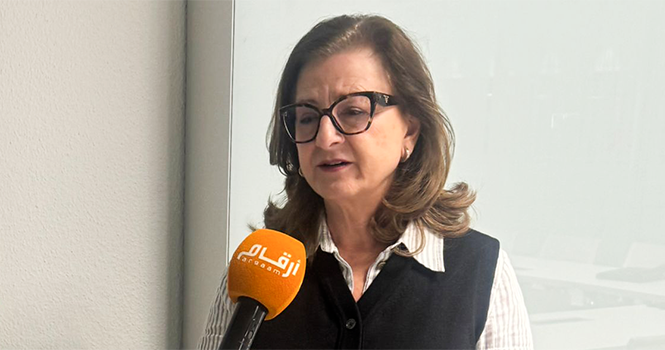
Marie Owen Thomsen, Senior Vice President for Sustainability and Chief Economist at IATA said that net profit margins for the sector remain low at 3.9%.
The Middle East region is recording the strongest financial performance in the global aviation sector, with the net profit margin per passenger expected to near $28 by 2026, compared to about $10 in the closest competing region, Marie Thomsen, Senior Vice President for Sustainability and Chief Economist at the International Air Transport Association (IATA), said.
In an interview with Argaam, Thomsen attributed this superior performance to the operating model of Gulf carriers, which relies on modern, long-haul fleets, in addition to substantial infrastructure investments.
She added that the sector’s net profit margins remain slim at 3.9%, placing the aviation industry among the weakest sectors in terms of profitability across value chains.
The IATA official affirmed that this reality constrains airlines and limits their capacity to build cash reserves or execute long-term growth plans. The industry is caught between suppliers with price controls and consumers who are perpetually seeking the lowest fare.
On the issue of delayed new aircraft deliveries, Thomsen explained that while the impact is universal, some Middle Eastern carriers have been relatively less severely affected. This ought to their reliance on wide-body aircraft such as the A380, which is not widely operated by others.
As for air freight operations, she stated that updated growth figures for the Middle East data are pending. However, she emphasized the region’s prevailing importance as a key global transit cargo hub, thanks to its strategic geography and advanced infrastructure.
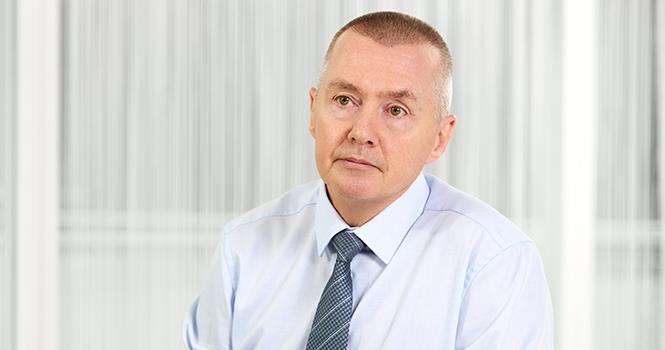
Willie Walsh, Director General of IATA, commented that airlines worldwide, are facing significant pressure due to monopolistic practices by some suppliers
For his part, while speaking to Argaam, Willie Walsh, Director General of IATA, clarified that global airlines, including those in the Middle East and Africa, face intense pressure from monopolistic practices by certain suppliers, particularly in the engine maintenance sphere. He argued that these practices contribute to an unjustifiable rise in operating expenses (opex), at a time when airlines are grappling with a low global profit margin of no more than 3.9%.
Engine manufacturers such as GE Commercial Engines, according to Walsh, generate around 75% of their revenues from aftermarket services rather than manufacturing — a segment he described as having the highest degrees of contractual restrictions.
Accordingly, he called for a global investigation through IATA to assess the compliance of these practices with competition laws.
He pointed out that these challenges come at a time when airlines are struggling to renew their fleets due to rising costs. This forces them to operate older and less fuel-efficient aircraft, which in turn increases opex and weighs on airlines’ profitability.
Comments {{getCommentCount()}}
Be the first to comment
رد{{comment.DisplayName}} على {{getCommenterName(comment.ParentThreadID)}}
{{comment.DisplayName}}

{{comment.ElapsedTime}}


Market Indices
Popular Links
Quick Links
About Us
Join Us
Argaam Investment Company has updated the Privacy Policy of its services and digital platforms. Know more about our Privacy Policy here.
Argaam uses cookies to personalize content, to provide social media features and analyze traffic, that we might also share with third parties. You consent to our cookies if you use this website
Comments Analysis: