

-
 Bank Ranking
Banks Ratios
Cement Statistics
Cement Ranking
Cement Ratios
Monetary and Economic Statistics
Oil, Gas and Fuel
Macro Economy
Consumer Spending
Inflation
Exports & Imports
Food Prices
Non Food Prices
Construction Materials
Petrochem. Ranking
Petrochem. Ratios
Retail Rankings
Retail Ratios
Grocery Ranking
Grocery Ratios
Top Growth
Dividend History
Bank Ranking
Banks Ratios
Cement Statistics
Cement Ranking
Cement Ratios
Monetary and Economic Statistics
Oil, Gas and Fuel
Macro Economy
Consumer Spending
Inflation
Exports & Imports
Food Prices
Non Food Prices
Construction Materials
Petrochem. Ranking
Petrochem. Ratios
Retail Rankings
Retail Ratios
Grocery Ranking
Grocery Ratios
Top Growth
Dividend History

Saudi Arabia’s self-sufficiency for key food products improves in 2024

 AI Summary

Content Summary: 
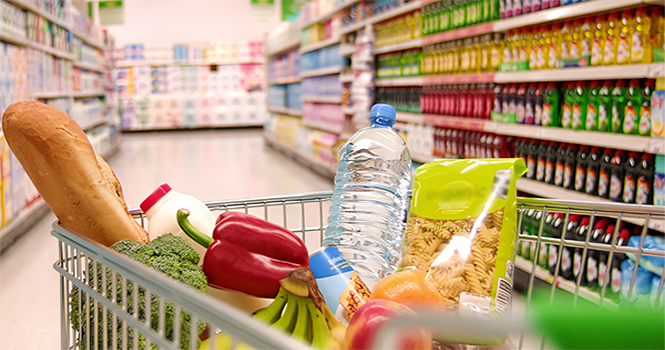
Several animal products recorded self-sufficiency rate exceeding 100%: GASTAT
Saudi Arabia witnessed an improvement in self-sufficiency levels and the availability of several basic food commodities for consumers in the Kingdom during 2024, compared with 2023, according to the food security statistics issued by the General Authority for Statistics (GASTAT).
According to the data, a number of animal products recorded self-sufficiency ratios exceeding 100%. The most notable improvement was in fish products, where the self-sufficiency ratio rose from 48% to 52% in 2024. All animal products recorded an increase in self-sufficiency during 2024.
Self-sufficiency is measured by comparing total domestic production plus imports of food products against total domestic consumption.
|
Self-Sufficiency Ratio for Key Animal Products in 2024 |
||
|
Product |
2023 |
2024 |
|
Shrimps |
147% |
149% |
|
Dairy products |
129% |
131% |
|
Table eggs |
100% |
103% |
|
Poultry meat |
71% |
72% |
|
Red meat |
61% |
62% |
|
Saudi Fisheries |
48% |
52% |
The data also showed that several agricultural crops exceeded 100% self-sufficiency, while some crops recorded higher self-sufficiency levels in 2024 compared with 2023.
On the other hand, self-sufficiency declined for crops such as peppers, falling from 83% to 78%, and melon, which dropped from 80% to 66%. Meanwhile, self-sufficiency levels remained stable for carrots at 60%, watermelon at 98%, and pumpkin at 94%, as shown in the table below:
|
Self-Sufficiency Ratio for Vegetables in 2024 |
||
|
Crop |
2023 |
2024 |
|
Eggplant |
107% |
105% |
|
Okra |
106% |
102% |
|
Cucumber |
102% |
101% |
|
Zucchini |
100% |
100% |
|
Watermelon |
98% |
98% |
|
Pumpkin |
95% |
94% |
|
Potatoes |
87% |
93% |
|
Peppers |
83% |
78% |
|
Tomatoes |
76% |
83% |
|
Onion |
51% |
72% |
|
Melon |
80% |
66% |
|
Carrot |
60% |
60% |
Fruit crops recorded mixed changes in self-sufficiency levels in 2024, with some exceeding full self-sufficiency, such as dates, as shown in the table below:
|
Self-Sufficiency Ratio for Fruits in 2024 |
||
|
Crop |
2023 |
2024 |
|
Dates |
119% |
121% |
|
Figs |
107% |
99% |
|
Grapes |
66% |
65% |
|
Mango |
54% |
55% |
|
Peaches |
49% |
43% |
|
Lemon |
45% |
46% |
|
Pomegranates |
35% |
42% |
|
Strawberries |
21% |
25% |
|
Oranges |
10% |
8% |
|
Banana |
8% |
7% |
|
Apples |
1% |
1% |
Per capita availability (available for consumption) of several animal products recorded mixed changes in 2024 compared with 2023, as poultry meat increased from 43.4 kg to 46.9 kg per year; red meat rose from 10.8 kg to 13.2 kg; fish increased from 8.8 kg to 9.4 kg, and honey rose from 0.6 kg to 0.7 kg
In contrast, table egg consumption declined from 246 eggs per year to 235 eggs, while milk consumption remained stable at a high level, reaching 70.3 liters per year, compared with 70.2 liters in 2023, as shown in the table below.
|
Per Capita Availability of Animal Products in 2024 |
||
|
Product |
2023 |
2024 |
|
Milk (liters/year) |
70.2 |
70.3 |
|
Poultry meat (kg/year) |
43.4 |
46.9 |
|
Table eggs (eggs/year) |
246.0 |
235.0 |
|
Red meat (kg/year) |
10.8 |
13.2 |
|
Fish (kg/year) |
8.8 |
9.4 |
|
Honey (kg/year) |
0.6 |
0.7 |
According to the data, per capita availability of plant-based products showed varied changes in 2024 compared with 2023. In grains, per capita rice consumption increased from 45.8 kg to 52.1 kg, while sesame and millet recorded slight declines.
In vegetables, per capita consumption increased for onions (from 17.5 kg to 20.5 kg), cucumbers (from 4.9 kg to 5.2 kg), and green onions (from 2.0 kg to 8.0 kg). Meanwhile, per capita consumption declined for tomatoes, eggplant, carrots, and pumpkin.
In fruits, per capita consumption increased for bananas, oranges, and coffee beans, while it declined for dates, lemons, grapes, and peaches. Consumption of some other crops, such as figs and papaya, remained relatively low, as shown in the table below.
|
Per Capita Availability of Plant Products in 2024 (kg per year) |
||
|
Product |
2023 |
2024 |
|
|
Grains |
|
|
Rice |
45.8 |
52.1 |
|
Sesame |
2.0 |
1.9 |
|
Millet |
0.5 |
0.4 |
|
|
Vegetables |
|
|
Tomatoes |
22.3 |
19.6 |
|
Onion |
17.5 |
20.5 |
|
Potatoes |
16.1 |
15.6 |
|
Watermelon |
13.3 |
12.9 |
|
Cucumber |
4.9 |
5.2 |
|
Eggplant |
3.2 |
2.3 |
|
Carrot |
2.5 |
1.4 |
|
Sweet peppers |
2.4 |
2.7 |
|
Melon |
2.3 |
2.1 |
|
Pumpkin |
2.2 |
0.9 |
|
Hot peppers |
2.0 |
1.7 |
|
Green onions |
2.0 |
8.0 |
|
Zucchini |
1.8 |
1.8 |
|
Okra |
0.8 |
0.5 |
|
Cauliflower |
0.8 |
1.0 |
|
Cabbage |
0.5 |
0.8 |
|
Beans |
0.4 |
0.9 |
|
|
Fruits |
|
|
Dates |
38.6 |
35.8 |
|
Banana |
11.3 |
12.3 |
|
Oranges |
10.6 |
12.0 |
|
Lemons |
7.8 |
6.4 |
|
Grapes |
5.5 |
5.0 |
|
Mango |
4.8 |
4.7 |
|
Pomegranates |
3.0 |
2.5 |
|
Coffee beans |
2.6 |
3.0 |
|
Peaches |
2.1 |
1.4 |
|
Apricots |
0.8 |
0.7 |
|
Figs |
0.8 |
0.6 |
|
Papayas |
0.1 |
0.2 |
Comments {{getCommentCount()}}
Be the first to comment
رد{{comment.DisplayName}} على {{getCommenterName(comment.ParentThreadID)}}
{{comment.DisplayName}}

{{comment.ElapsedTime}}


Comments Analysis: