
Search Result
- TASI
-
Energy
- 2222 - SAUDI ARAMCO
- 2030 - SARCO
- 2380 - PETRO RABIGH
- 4030 - BAHRI
- 2381 - ARABIAN DRILLING
- 2382 - ADES
- 1201 - TAKWEEN
- 1202 - MEPCO
- 1210 - BCI
- 1211 - MAADEN
- 1301 - ASLAK
- 1304 - ALYAMAMAH STEEL
- 1320 - SSP
- 2001 - CHEMANOL
- 2010 - SABIC
- 2020 - SABIC AGRI-NUTRIENTS
- 2090 - NGC
- 2150 - ZOUJAJ
- 2170 - ALUJAIN
- 2180 - FIPCO
- 2200 - APC
- 2210 - NAMA CHEMICALS
- 2220 - MAADANIYAH
- 2240 - SENAAT
- 2250 - SIIG
- 2290 - YANSAB
- 2300 - SPM
- 2310 - SIPCHEM
- 2330 - ADVANCED
- 2350 - SAUDI KAYAN
- 3002 - NAJRAN CEMENT
- 3003 - CITY CEMENT
- 3004 - NORTHERN CEMENT
- 3005 - UACC
- 3010 - ACC
- 3020 - YC
- 3030 - SAUDI CEMENT
- 3040 - QACCO
- 3050 - SPCC
- 3060 - YCC
- 3080 - EPCCO
- 3090 - TCC
- 3091 - JOUF CEMENT
- 3092 - RIYADH CEMENT
- 2060 - TASNEE
- 3008 - ALKATHIRI
- 3007 - OASIS
- 1321 - EAST PIPES
- 1322 - AMAK
- 2223 - LUBEREF
- 1324 - SALEH ALRASHED
- 2360 - SVCP
- 1323 - UCIC
- 4143 - TALCO
- 1212 - ASTRA INDUSTRIAL
- 4146 - GAS
- 1302 - BAWAN
- 1303 - EIC
- 4148 - ALWASAIL INDUSTRIAL
- 4145 - OGC
- 2040 - SAUDI CERAMICS
- 2110 - SAUDI CABLE
- 4144 - RAOOM
- 2160 - AMIANTIT
- 2320 - ALBABTAIN
- 2370 - MESC
- 4140 - SIECO
- 4141 - ALOMRAN
- 4142 - RIYADH CABLES
- 1214 - SHAKER
- 4110 - BATIC
- 4147 - CGS
- 4031 - SGS
- 4040 - SAPTCO
- 4260 - BUDGET SAUDI
- 2190 - SISCO HOLDING
- 4261 - THEEB
- 4263 - SAL
- 4262 - LUMI
- 4265 - CHERRY
- 4264 - FLYNAS
- 1810 - SEERA
- 6013 - DWF
- 1820 - BAAN
- 4170 - TECO
- 4290 - ALKHALEEJ TRNG
- 6017 - JAHEZ
- 6002 - HERFY FOODS
- 1830 - LEEJAM SPORTS
- 6012 - RAYDAN
- 4291 - NCLE
- 4292 - ATAA
- 6014 - ALAMAR
- 6015 - AMERICANA
- 6016 - BURGERIZZR
- 6018 - SPORT CLUBS
- 6019 - ALMASAR ALSHAMIL
- 4003 - EXTRA
- 4008 - SACO
- 4050 - SASCO
- 4190 - JARIR
- 4240 - CENOMI RETAIL
- 4191 - ABO MOATI
- 4051 - BAAZEEM
- 4192 - ALSAIF GALLERY
- 4193 - NICE ONE
- 4194 - BUILD STATION
- 4200 - ALDREES
- 4001 - A.OTHAIM MARKET
- 4006 - FARM SUPERSTORES
- 4061 - ANAAM HOLDING
- 4160 - THIMAR
- 4161 - BINDAWOOD
- 4162 - ALMUNAJEM
- 4164 - NAHDI
- 4163 - ALDAWAA
- 2050 - SAVOLA GROUP
- 2100 - WAFRAH
- 2270 - SADAFCO
- 2280 - ALMARAI
- 6001 - HB
- 2288 - NOFOTH
- 6010 - NADEC
- 6020 - GACO
- 6040 - TADCO
- 6050 - SFICO
- 6060 - SHARQIYAH DEV
- 6070 - ALJOUF
- 6090 - JAZADCO
- 2281 - TANMIAH
- 2282 - NAQI
- 2283 - FIRST MILLS
- 4080 - SINAD HOLDING
- 2284 - MODERN MILLS
- 2285 - ARABIAN MILLS
- 2286 - FOURTH MILLING
- 2287 - ENTAJ
- 4002 - MOUWASAT
- 4021 - CMCER
- 4004 - DALLAH HEALTH
- 4005 - CARE
- 4007 - ALHAMMADI
- 4009 - SAUDI GERMAN HEALTH
- 2230 - CHEMICAL
- 4013 - SULAIMAN ALHABIB
- 2140 - AYYAN
- 4014 - EQUIPMENT HOUSE
- 4017 - FAKEEH CARE
- 4018 - ALMOOSA
- 4019 - SMC HEALTHCARE
- 1010 - RIBL
- 1020 - BJAZ
- 1030 - SAIB
- 1050 - BSF
- 1060 - SAB
- 1080 - ANB
- 1120 - ALRAJHI
- 1140 - ALBILAD
- 1150 - ALINMA
- 1180 - SNB
- 2120 - SAIC
- 4280 - KINGDOM
- 4130 - SAUDI DARB
- 4081 - NAYIFAT
- 1111 - TADAWUL GROUP
- 4082 - MRNA
- 1182 - AMLAK
- 1183 - SHL
- 4083 - TASHEEL
- 4084 - DERAYAH
- 8010 - TAWUNIYA
- 8012 - JAZIRA TAKAFUL
- 8020 - MALATH INSURANCE
- 8030 - MEDGULF
- 8040 - MUTAKAMELA
- 8050 - SALAMA
- 8060 - WALAA
- 8070 - ARABIAN SHIELD
- 8190 - UCA
- 8230 - ALRAJHI TAKAFUL
- 8280 - LIVA
- 8150 - ACIG
- 8210 - BUPA ARABIA
- 8180 - ALSAGR INSURANCE
- 8170 - ALETIHAD
- 8100 - SAICO
- 8120 - GULF UNION ALAHLIA
- 8200 - SAUDI RE
- 8160 - AICC
- 8250 - GIG
- 8240 - CHUBB
- 8260 - GULF GENERAL
- 8300 - WATANIYA
- 8310 - AMANA INSURANCE
- 8311 - ENAYA
- 8313 - RASAN
- 4330 - RIYAD REIT
- 4331 - ALJAZIRA REIT
- 4332 - JADWA REIT ALHARAMAIN
- 4333 - TALEEM REIT
- 4334 - AL MAATHER REIT
- 4335 - MUSHARAKA REIT
- 4336 - MULKIA REIT
- 4338 - ALAHLI REIT 1
- 4337 - Al AZIZIAH REIT
- 4342 - JADWA REIT SAUDI
- 4340 - Al RAJHI REIT
- 4339 - DERAYAH REIT
- 4344 - SEDCO CAPITAL REIT
- 4347 - BONYAN REIT
- 4345 - ALINMA RETAIL REIT
- 4346 - MEFIC REIT
- 4348 - ALKHABEER REIT
- 4349 - ALINMA HOSPITALITY REIT
- 4350 - ALISTITHMAR REIT
- 4020 - ALAKARIA
- 4324 - BANAN
- 4323 - SUMOU
- 4090 - TAIBA
- 4100 - MCDC
- 4150 - ARDCO
- 4220 - EMAAR EC
- 4230 - RED SEA
- 4250 - JABAL OMAR
- 4300 - DAR ALARKAN
- 4310 - KEC
- 4320 - ALANDALUS
- 4321 - CENOMI CENTERS
- 4322 - RETAL
- 4326 - ALMAJDIAH
- 4325 - MASAR
- 4327 - AlRAMZ
- 9400 - YAQEEN 30 ETF
- 9401 - YAQEEN PETROCHEMICAL ETF
- 9402 - SABI QUANT ETF
- 9403 - ALBILAD SOVEREIGN SUKUK ETF
- 9405 - ALBILAD GOLD ETF
- 9406 - ALBILAD US ETF
- 9408 - ALBILAD SAUDI GROWTH ETF
- 9409 - YAQEEN ESG ETF
- 9410 - ALBILAD HONG KONG CHINA ETF
- 9411 - SABI HK ETF
- 9412 - Albilad MSCI Saudi Equity ETF
- 9404 - ALINMA GOVERNMENT SUKUK ETF
- 9407 - ALBILAD US TECH ETF
- NOMU
-
Consumer Durables & Apparel
Media and Entertainment
Real Estate Mgmt & Dev't
- 9521 - INMAR
- 9535 - LADUN
- 9591 - VIEW
- 9610 - FIRST AVENUE
- 9634 - ADEER
- 9640 - ASAS MAKEEN
- 9648 - HAMAD BIN SAEDAN REAL ESTATE
- 9641 - HAWYIA
- 9655 - MSGA
- 9515 - FESH FASH
- 9532 - HILWA
- 9536 - FADECO
- 9559 - BALADY
- 9564 - HORIZON FOOD
- 9555 - LEEN ALKHAIR
- 9612 - SAMA WATER
- 9622 - SMC
- 9644 - NAF
- 9650 - SAHAT ALMAJD
- 9530 - TIBBIYAH
- 9527 - AME
- 9544 - FUTURE CARE
- 9546 - NABA ALSAHA
- 9574 - PRO MEDEX
- 9594 - ALMODAWAT
- 9572 - ALRAZI
- 9587 - LANA
- 9600 - QOMEL
- 9604 - MIRAL
- 9626 - SMILE CARE
- 9616 - JANA
- 9627 - TMC
- 9620 - BALSM MEDICAL
- 9647 - WAJD LIFE
- 9513 - WATANI STEEL
- 9514 - ALNAQOOL
- 9523 - GROUP FIVE
- 9539 - AQASEEM
- 9548 - APICO
- 9553 - MOLAN
- 9565 - MEYAR
- 9552 - SAUDI TOP
- 9563 - BENA
- 9566 - LIME INDUSTRIES
- 9580 - ALRASHID INDUSTRIAL
- 9576 - PAPER HOME
- 9588 - RIYADH STEEL
- 9575 - MARBLE DESIGN
- 9599 - TAQAT
- 9601 - ALRASHEED
- 9605 - NEFT ALSHARQ
- 9607 - ASG
- 9609 - NAAS PETROL
- 9623 - ALBATTAL FACTORY
- 9631 - HKC
- 9510 - NBM
- 9533 - SPC
- 9542 - KEIR
- 9547 - RAWASI
- 9568 - MAYAR
- 9569 - ALMUNEEF
- 9578 - ATLAS ELEVATORS
- 9560 - WAJA
- 9611 - UFG
- 9624 - ALSHEHILI METAL
- 9633 - SERVICE EQUIPMENT
- 9639 - ANMAT
- 9583 - UNITED MINING
- 9608 - ALASHGHAL ALMOYSRA
- 9540 - TADWEEER
- 9545 - ALDAWLIAH
- 9570 - TAM DEVELOPMENT
- 9593 - PAN GULF
- 9597 - LEAF
- 9606 - THARWAH
- 9613 - SHALFA
- 9619 - MULTI BUSINESS
- 9621 - DRC
- 9625 - ITMAM
- 9645 - SIGN WORLD
- 9541 - ACADEMY OF LEARNING
- 9562 - FOOD GATE
- 9590 - ARMAH
- 9598 - ALMOHAFAZA FOR EDUCATION
- 9603 - HORIZON EDUCATIONAL
- 9567 - GHIDA ALSULTAN
- 9617 - ARABICA STAR
- 9630 - RATIO
- 9628 - LAMASAT
- 9632 - FUTURE VISION
- 9636 - AlKUZAMA
- 9581 - CLEAN LIFE
- 9522 - ALHASOOB
- 9537 - AMWAJ INTERNATIONAL
- 9551 - KNOWLEDGE TOWER
- 9589 - FAD
- 9649 - JAMJOOM FASHION
- 9651 - ALTWIJRI

Sign In
×Forgot password?
×-
 Bank Ranking
Banks Ratios
Cement Statistics
Cement Ranking
Cement Ratios
Monetary and Economic Statistics
Oil, Gas and Fuel
Macro Economy
Consumer Spending
Inflation
Exports & Imports
Food Prices
Non Food Prices
Construction Materials
Petrochem. Ranking
Petrochem. Ratios
Retail Rankings
Retail Ratios
Grocery Ranking
Grocery Ratios
Top Growth
Dividend History
Bank Ranking
Banks Ratios
Cement Statistics
Cement Ranking
Cement Ratios
Monetary and Economic Statistics
Oil, Gas and Fuel
Macro Economy
Consumer Spending
Inflation
Exports & Imports
Food Prices
Non Food Prices
Construction Materials
Petrochem. Ranking
Petrochem. Ratios
Retail Rankings
Retail Ratios
Grocery Ranking
Grocery Ratios
Top Growth
Dividend History
Argaam Tools
×

Saudi market holds steady despite partial pricing of geopolitical risks: Analysts



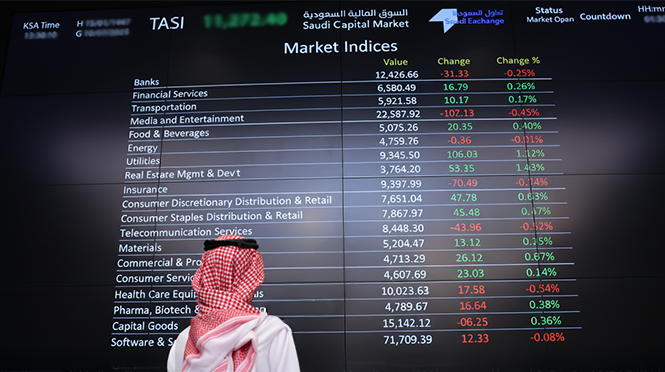
The Saudi market closed today’s session at 10,489 points, signaling relative resilience despite escalating geopolitical pressures, analysts told Argaam.
The index opened higher, supported by rising oil prices, before facing selling pressure amid intensifying regional developments. It later regained balance following official clarifications that helped ease market concerns.
Partial Pricing of Geopolitical Risks
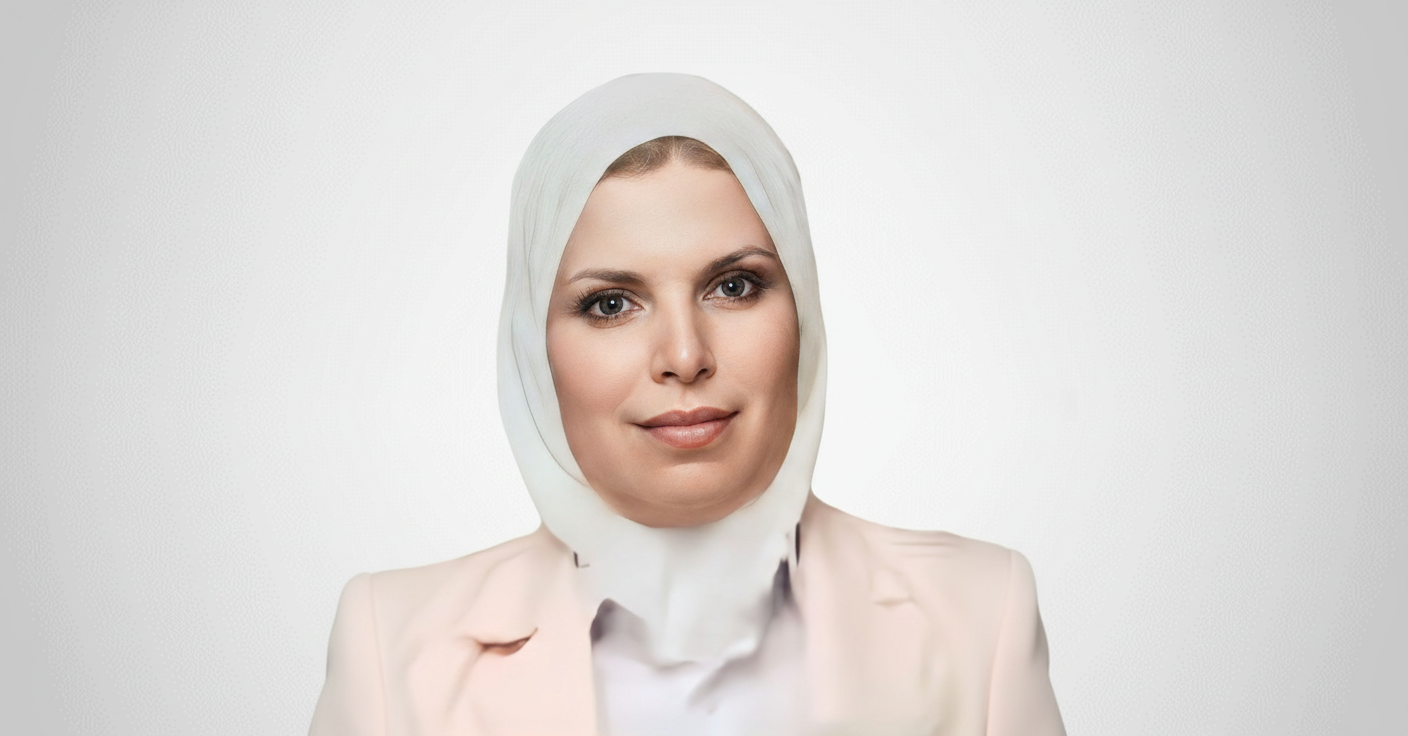
Rania Gule, senior market analyst at XS.com
Rania Gule, senior market analyst at XS.com, said the Saudi market has demonstrated a clear ability to absorb shocks in recent sessions. She noted that closing at 10,489 points reflects investors’ preference to focus on fundamentals such as corporate results rather than short-term geopolitical pressures.
Gule added that the reaction was relatively moderate, indicating partial confidence in the strength of the local market and supportive liquidity levels.
She explained that the current close reflects a partial pricing-in of geopolitical risks, particularly in sensitive sectors such as energy and financials. However, the market has yet to fully price in all potential scenarios, given the divergence between conservative investors and tactical traders.
The analysts warned that a sharp escalation directly affecting energy supplies or global supply chains could trigger additional volatility and faster corrective moves in the near term, although the overall impact would likely remain limited as long as key oil facilities remain unaffected.
Attractive Valuations Despite Pullback
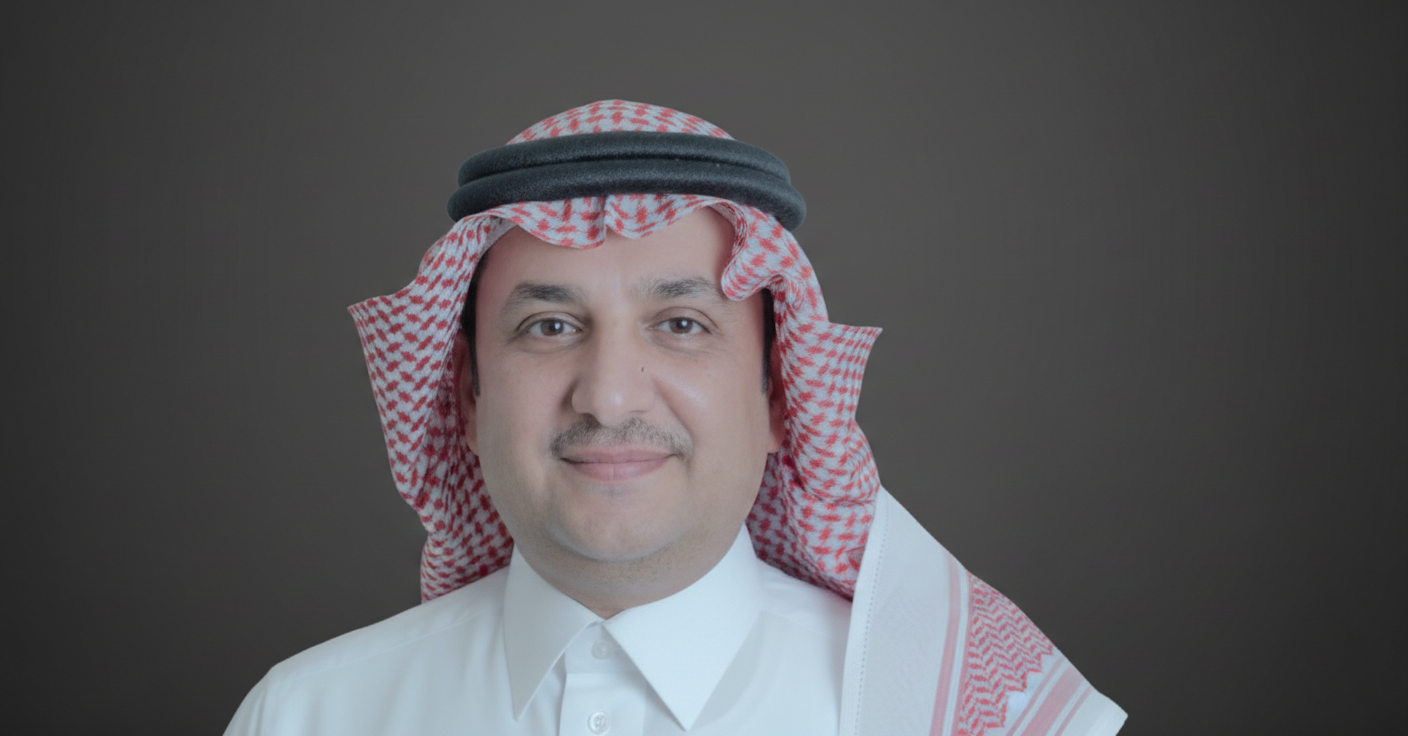
Hisham Abu Jamea, senior advisor at Naif Alrajhi Investment
Hisham Abu Jamea, senior advisor at Naif Alrajhi Investment, said the market declined around 6% in February despite strong Q4 results in banking, telecom, insurance, and certain healthcare companies. He attributed the pressure to geopolitical concerns and continued investment caution, noting that opening the market to all categories of foreign investors has not yet translated into higher trading volumes.
Abu Jamea added that any potential de-escalation could support a strong rebound, particularly in the banking sector, where some stocks are trading at P/E ratios between 8x and 9x, with several even below book value — an uncommon historical level.
Market Flexibility and Event Repricing

Ashraf Jarrar, international broker and asset manager at United Securities
Ashraf Jarrar, international broker and asset manager at United Securities, said the index opened higher today on the back of rising oil prices before experiencing swift selling pressure following initial reports of damage to a Saudi Aramco facility, which triggered temporary market anxiety.
Jarrar noted that official statements denying any material damage helped calm fears, allowing investors to reprice the event more rationally. The index then rebounded from support levels and closed in positive territory at 10,489 points, highlighting the market’s resilience despite continued sensitivity to sudden developments.
He added that the market has partially priced in geopolitical risks but does not appear to be factoring in a prolonged war scenario or a tangible disruption to energy supplies and supply chains. Instead, it seems to be operating under the assumption of time-bound, limited operations, while volatility risks remain elevated should the situation broaden.
Potential Index Scenarios
Gule said the Saudi market is demonstrating relative resilience in the face of current risks, but it has not yet fully priced in all geopolitical scenarios. She noted that outlooks depend largely on regional developments and their impact on market sentiment and liquidity, rather than on fundamental indicators alone.
She outlined three main scenarios for the index, the first is the moderately positive scenario: The index stabilizes between 10,400 and 10,800 points, supported by corporate earnings and domestic liquidity. The second is the neutral volatile scenario: The index fluctuates between 10,100 and 10,600 points if tensions persist without direct impact on oil supplies. The third is the negative scenario: A broad escalation could push the index toward 9,800–10,000 points if energy prices or supply chains are affected.
Meanwhile, Jarrar indicated that in a contained scenario, the market may trade sideways between 10,200 and 10,700 points, supported by the energy sector. However, a break below 10,200 could lead to a test of the psychological 10,000 level and then 9,800 points.
He concluded that the current phase remains driven more by political developments than economic fundamentals, making the market highly sensitive and subject to shifting probabilities.
Comments {{getCommentCount()}}
Be the first to comment
رد{{comment.DisplayName}} على {{getCommenterName(comment.ParentThreadID)}}
{{comment.DisplayName}}

{{comment.ElapsedTime}}

Most Read
- RSG says int’l buyers account for 10% of SAR 2B residential portfolio sales
- Saudi chemical exports fall to SAR 3.5B in May
- SABIC CEO: Operating performance resilient despite geopolitical uncertainty
- TASI: 23 stocks, 2 REIT sink to all-time lows
- Regional tensions had limited impact, momentum to continue: SAL CEO

Market Indices
Popular Links
Quick Links
About Us
Join Us
Argaam Investment Company has updated the Privacy Policy of its services and digital platforms. Know more about our Privacy Policy here.
Argaam uses cookies to personalize content, to provide social media features and analyze traffic, that we might also share with third parties. You consent to our cookies if you use this website
Comments Analysis: