

-
 Bank Ranking
Banks Ratios
Cement Statistics
Cement Ranking
Cement Ratios
Monetary and Economic Statistics
Oil, Gas and Fuel
Macro Economy
Consumer Spending
Inflation
Exports & Imports
Food Prices
Non Food Prices
Construction Materials
Petrochem. Ranking
Petrochem. Ratios
Retail Rankings
Retail Ratios
Grocery Ranking
Grocery Ratios
Top Growth
Dividend History
Bank Ranking
Banks Ratios
Cement Statistics
Cement Ranking
Cement Ratios
Monetary and Economic Statistics
Oil, Gas and Fuel
Macro Economy
Consumer Spending
Inflation
Exports & Imports
Food Prices
Non Food Prices
Construction Materials
Petrochem. Ranking
Petrochem. Ratios
Retail Rankings
Retail Ratios
Grocery Ranking
Grocery Ratios
Top Growth
Dividend History

Vision 2030 drives economic transformation: Analysts

 AI Summary

Content Summary: 

Saudi Arabia’s Vision 2030 annual report for 2025 showed sustained progress across key performance metrics and targets, underscoring an accelerating pace of economic transformation and supporting the transition to the third phase of the vision.
As the third phase begins in 2026, efforts are set to focus on consolidating gains and building on them, while accelerating execution and placing greater emphasis on high-impact sectors that drive social empowerment and economic diversification. This will be supported by further development of policy tools and continued assessment of spending efficiency and economic and social impact.
Strong Growth in Non-Oil Sector
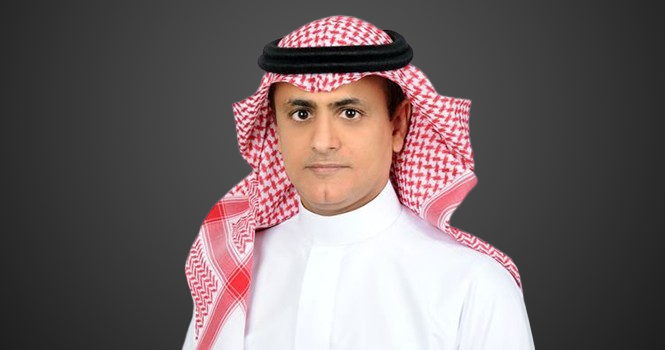
Economist Ahmed Alshehri
Economist Ahmed Alshehri said the Saudi economy has undergone a clear transformation since the launch of Vision 2030, with the contribution of non-oil activities exceeding 55% of real GDP. The non-oil sector has also outpaced the oil sector in growth in recent years.
He added that the private sector’s contribution has risen to around 51% of GDP, driven by the expansion of SMEs and growth in tourism, logistics, industry, and services, supported by government spending and the Public Investment Fund (PIF).
Saad Altahgfan, board member of the Saudi Economic Association, said the Kingdom’s economy has shifted from reliance on a single sector to a more diversified structure, helping reduce growth volatility linked to oil prices.
He added that non-oil activities recorded notable growth since the launch of Vision 2030, now accounting for around 55% of GDP. This has been driven by promising sectors such as mining—whose resources are estimated at over SAR 9 trillion—alongside tourism, which generated a surplus of about SAR 50 billion, and the logistics sector, which has shown strong resilience amid recent challenges.
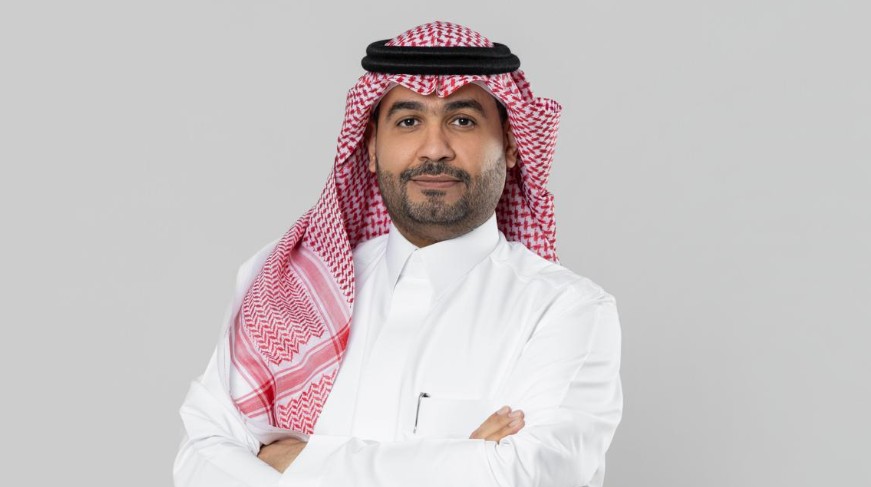
Abdullah Alsalloum, professor of finance at Imam Mohammad Ibn Saud Islamic University
Abdullah Alsalloum, professor of finance at Imam Mohammad Ibn Saud Islamic University, said non-oil exports have increased significantly, with non-oil activities becoming a key driver of GDP growth. He expects this trend to continue in the coming years.
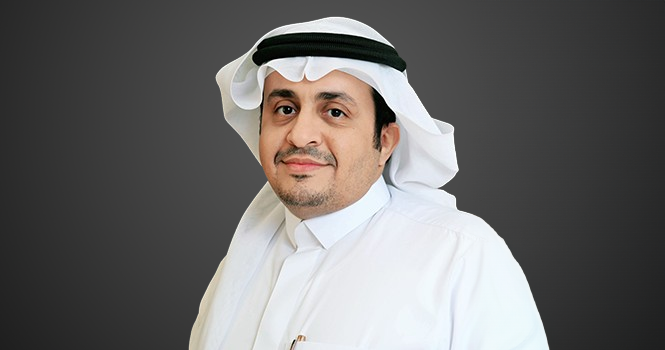
Bander Al-Juaid an academic and economic writer
For his part, Bander Al-Juaid, an academic and economic writer, said that the Saudi economy was previously more closely tied to oil price fluctuations, but has since become more diversified. This shift is reflected in a broader labor market, greater female participation, stronger private sector growth, and increased high-quality investments led by PIF.
Economic Resilience and Policy Impact
Alshehri said the resilience of non-oil growth despite oil price volatility in recent years signals a more robust economy and reduced reliance on oil as the primary growth engine.
He added that economic policies have directly accelerated the achievement of Vision 2030 targets, alongside the pivotal role of the PIF in enabling the private sector and developing new industries. He noted that the PIF’s contribution is estimated at no less than 10% of non-oil GDP.
Alsalloum said the Kingdom’s transformation remains ongoing, with a more mature phase expected in the coming years following the structuring of Vision 2030 into three distinct phases, each with its own priorities.
He explained that the first phase focused on laying the foundations and restructuring, including the introduction of key fiscal and regulatory policies, the establishment of new entities, and the empowerment of institutions tasked with delivering the vision’s objectives. This has helped create a solid base for the progress now being seen.
Al-Juaid added that economic policies have been instrumental through three main channels: regulatory reform, improving the efficiency of spending and investment, and directing resources toward priority sectors such as tourism, industry, logistics, mining, and housing. He noted that more than 2,200 regulatory reforms and measures have been implemented across the vision’s phases, significantly improving the business environment and enhancing the economy’s capacity to attract investment and sustain growth.
Althagfan elaborated that GDP expanded by about SAR 1.2 trillion to SAR 4.9 trillion, with average growth of around 3% since the launch of Vision 2030, despite global challenges—reflecting the economy’s resilience and ability to absorb shocks.
He stressed the importance of sustaining efforts to double economic growth and enhance its durability to support future phases.
Flexibility and Priority Shifting
Alshehri said periodic reviews have been a key tool in aligning Vision targets with global economic shifts, with priorities rebalanced without losing execution momentum, while maintaining fiscal stability through flexibility and swift response.
Alsalloum noted that comparing the economy before and after Vision 2030 shows broad changes, including the expansion of capital markets and diversification of instruments, whether debt or sukuk, alongside deeper market liquidity through listings and new financial products.
He also highlighted fintech as a promising sector, alongside insurance, which is increasingly seen as a key contributor to economic growth and GDP in the coming years.
Al-Juaid said Saudi Arabia’s experience stands out for shifting from short-term to medium- and long-term planning, supported by continuous monitoring, performance measurement and course correction, enabling the Kingdom to respond more flexibly to global shocks.
Advanced Diversification Indicators
Alshehri explained that the economy is undergoing a gradual but tangible transformation, with non-oil sectors now contributing more than half of GDP and achieving annual growth rates of 4%-5%, while non-oil government revenues have risen by over 170% since the launch of Vision 2030.
He also pointed to growing competitiveness of Saudi non-oil exports, supported by export financing and incentive programs, strengthening the global presence of Saudi products.
Alsalloum said the Saudi economy has recently recorded around 5% growth in non-oil GDP, underscoring the strength of the new economic base and diversified growth drivers.
He added that the economy is now more resilient and better able to absorb shocks than in previous years, boosting confidence in its ability to navigate global challenges while sustaining growth.
He noted that higher local content and increased private sector participation in projects and economic activity reflect this structural shift, with further growth expected in sectors such as events, construction and real estate tied to tourism, sports and culture.
Al-Juaid said the Saudi economy has not undermined the role of oil, but reduced reliance on it by building parallel growth engines. Non-oil activities now account for 55% of the real economy, the private sector contributes 51%, tourism has reached 123 million visitors, tourism spending hit SAR 304 billion, and the number of factories has risen to over 12,900—indicating a broadening production base rather than a temporary improvement.
Promising Sectors
Alshehri said the tourism sector continued to expand, with Saudi Arabia receiving around 122 million domestic and international visitors in 2025, up 5% year-on-year. Total tourism spending reached nearly SAR 300 billion, while international visitor spending rose to SAR 159.9 billion, with the sector contributing about 5% to GDP.
He added that foreign direct investment (FDI) recorded solid growth, with inflows rising 13% to exceed SAR 1.09 trillion, while the cumulative stock increased 19% to around SAR 3.32 trillion by the end of 2025.
Alsalloum noted that logistics and technology will remain key growth drivers in the next phase, particularly amid continued infrastructure investment and efforts to position the Kingdom as a global logistics hub.
He also highlighted the Kingdom’s focus on future sectors such as advanced technology and AI infrastructure, which are expected to see accelerated growth over the next five years.
Shift toward Qualitative Diversification
Alshehri said the progress in economic diversification marks a structural milestone, moving beyond headline figures to form a solid base for a more resilient economy.
He added that the next phase will focus on qualitative diversification, including raising economic complexity index (ECI), improving productivity, fostering innovation, and developing value-added industries to support Vision 2030 targets.
Alsalloum said that while quantitative diversification in recent years represents a key national achievement, it opens the door to a more ambitious phase centered on economic complexity, productivity, innovation, and high-value sectors.
He added that current gains provide a strong foundation to sustain Vision 2030 momentum going forward.
Al-Juaid said the next phase will focus on deepening impact rather than launching new initiatives, prioritizing infrastructure completion, boosting non-oil productivity, expanding the role of investment and development funds, empowering the private sector, and attracting higher-quality investments.
Comments {{getCommentCount()}}
Be the first to comment
رد{{comment.DisplayName}} على {{getCommenterName(comment.ParentThreadID)}}
{{comment.DisplayName}}

{{comment.ElapsedTime}}


Comments Analysis: