

-
 Bank Ranking
Banks Ratios
Cement Statistics
Cement Ranking
Cement Ratios
Monetary and Economic Statistics
Oil, Gas and Fuel
Macro Economy
Consumer Spending
Inflation
Exports & Imports
Food Prices
Non Food Prices
Construction Materials
Petrochem. Ranking
Petrochem. Ratios
Retail Rankings
Retail Ratios
Grocery Ranking
Grocery Ratios
Top Growth
Dividend History

Bawan CEO sees higher adjusted net profit in 2026

 AI Summary

Content Summary: 
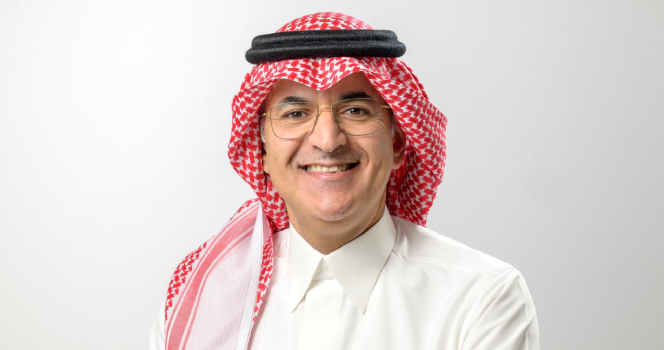
Ziad Al-Barrak CEO of Bawan Company
Ziad Al-Barrak, CEO of Bawan Company, said the slowdown in the electrical industries sector goes beyond mere project delays. He explained that lower sales volumes in Q3 2026 reflected a decline in government capital expenditure cycles, which has weighed on demand in the sector for several consecutive periods.
In an interview with Argaam, Al-Barrak said the decline in Q3 results was mainly attributable to weaker performance in the electrical industries sector, alongside differences in the timing of revenue recognition for oil and gas projects. He stressed that this does not reflect any fundamental change in demand levels.
The oil and gas sector, through Petronash, has become one of the group's major profit contributors. The sector's backlog stood at approximately SAR 905 million, in addition to SAR 530 million in disclosed backlog across other sectors, bringing the group's total disclosed backlog to around SAR 1.4 billion.
Al-Barrak also noted that shipping and insurance costs remained elevated throughout the year. However, these pressures affected most companies operating in the sector and were addressed through pricing flexibility with customers. Some projects were also affected to varying degrees, and the company encountered cases in which force majeure clauses were invoked for certain shipments, either by Bawan or by some of its customers.
“We are working to address the challenges facing the electrical industries sector, while focusing on capitalizing on growth opportunities in the energy and various industrial sectors,” he said.
Al-Barrak further stated that Bawan expects adjusted net profit to grow in 2026. He noted that its focus during Q4 2026 and beyond is on executing contracted projects efficiently and with discipline, while responding flexibly to external developments.
Interview Details
1- Bawan's Q3 2026 net profit declined 37.6% to SAR 14.9 million, alongside a 19.9% drop in revenue. What factors affected the results?
Q3 2026 saw relatively weaker performance compared with previous periods. This decline did not come as a surprise, as we had previously indicated in our results disclosures that the third quarter would witness a relative slowdown in activity.
Overall, the results were in line with our expectations, reflecting our clear visibility and continued close monitoring of the group's performance indicators and operations.
The quarter's results were affected by three main factors. The electrical industries segment had the greatest impact on performance, with revenue declining by 45% year-on-year.
The sector also recorded a slight loss due to lower sales volumes and weaker profit margins.
The oil and gas segment likewise recorded a revenue decline of 22% compared with Q3 2025, mainly reflecting the timing of revenue recognition for ongoing projects rather than any change in demand levels.
The metal industries and wooden products segments also recorded lower sales volumes. However, pricing discipline helped maintain or improve profitability.
In contrast, the steel sector delivered the strongest performance, with revenue increasing by 20% YoY.
Regarding reported earnings, Q3 net profit amounted to SAR 15 million after absorbing SAR 14 million in non-cash purchase price allocation (PPA) amortization expenses attributable to Bawan's share, bringing adjusted net profit to SAR 29 million.
However, looking at Q3 results in isolation does not provide a complete picture of performance for the year.
The more meaningful indicator is the performance during the first nine months, when adjusted net profit increased from SAR 139 million to SAR 193 million, representing growth of approximately 39% year on year.
Adjusted operating income also rose from SAR 256 million to SAR 283 million, while the adjusted gross profit margin improved from 15% to 18%, an increase of approximately 240 basis points, supported by improved performance in the metal industries sector and continued growth in the steel sector.
In short, Q3 was weaker than other periods due to factors specific to certain sectors.
Some of these factors, such as the timing of execution and revenue recognition for oil and gas projects, are a normal part of the business model.
Meanwhile, we continue to work intensively to address the challenges facing the electrical industries sector.
Nevertheless, one weaker quarter does not change the overall business picture, as the first nine months continued to show significantly stronger performance compared with last year.
2- Sales volumes declined in the electrical industries, metal industries and wooden products segments during Q3 2026. How do you assess demand for the company's products, particularly from the construction sector and major projects? Is the decline in sales attributable to weaker demand or delays in project execution?
The straightforward answer is that it is a combination of both factors, with notable differences across the three sectors.
In the electrical industries segment, the slowdown goes beyond mere project delays.
Lower sales volumes during Q3 2026 reflected a decline in government capital expenditure cycles, which has weighed on demand in this sector for several consecutive periods.
As part of our broader strategy, we are actively working to mitigate the impact of this slowdown by focusing on customers other than Saudi Electricity Company, developing new products, and strengthening international business and services.
These activities collectively recorded growth of approximately 11% during the year.
Our focus remains on protecting profit margins, prioritizing higher-value products, and aligning the sector's operations with emerging areas of demand.
The picture was different in the metal industries and wooden products segments.
Despite lower sales volumes, prices remained resilient and even improved compared with the same period last year.
In the metal industries segment, higher average selling prices helped the sector move from losses in Q3 and 9M 2025 to achieving meaningful profits during the corresponding periods of 2026.
The wooden products sector recorded a similar outcome, as stronger prices improved profitability despite lower sales volumes. This reflects our disciplined approach to managing these segments throughout different stages of the economic cycle, rather than pursuing higher volumes at the expense of profitability.
Q3 results have demonstrated the effectiveness of this approach.
With regard to the construction segment and major projects, the factors supporting demand in the Kingdom remain strong over the medium term.
Saudi Vision 2030 continues to support a massive investment program covering housing, infrastructure, electricity and industrial development, and there has been no change in these underlying fundamentals.
However, in the short term, we have seen variations in the pace of order awards and execution among some customers, with certain contracts and projects postponed to later periods.
Some of this is attributable to customer caution amid the current regional environment, while the rest is related to the normal nature of major project cycles, in which execution and mobilization decisions may shift from one quarter to another.
In short, this does not reflect a sharp decline in demand, nor is it merely a matter of timing.
Rather, it is a combination of a temporary slowdown in the pace of orders, the postponement of some routine projects, and sector-specific competitive factors, particularly in electrical industries.
The underlying factors supporting demand remain in place, and we continue to position our business to capitalize on opportunities as demand translates into actual projects.
3- Revenue and profit in the oil and gas segment declined during Q3 due to lower recognized revenue from ongoing projects. What caused this decline? Is it related to project execution and revenue recognition timing? What are your expectations for the sector in Q4 and 2027?
Yes. The decline in the oil and gas segment’s performance during Q3 2026 was mainly attributable to project execution stages and the revenue recognition mechanism for long-term contracts.
The segment is project-based and applies the percentage-of-completion accounting method, meaning revenue is recognized as progress is made in project execution.
Since contracts are at different stages of execution from one period to another, quarterly reported revenue naturally varies according to the status of ongoing projects at the time.
This is an inherent feature of the business model and not an indication of weaker demand.
The segment’s revenue amounted to SAR 252 million in Q3 2026, down around 22% compared with the same period last year, which was reflected in its profit.
It is important to emphasize that this decline was not related to weaker demand, the cancellation of major projects or execution problems.
Rather, it simply reflected the stages reached by ongoing projects during the quarter.
At the nine-month level, segment revenue increased from SAR 656 million to SAR 965 million, up around 47%.
Net profit also rose from SAR 79 million to SAR 147 million, an increase of more than 80%.
This reflects the sector's actual earnings potential, supported by the full consolidation of Petronash' results compared with partial consolidation in the comparative period, in addition to strong project execution across its various operations.
As for Q4 2026 and 2027, we prefer not to provide specific forecasts at this time.
Nevertheless, the medium-term demand drivers, supported by energy investment programs in the Kingdom and the Gulf countries, remain strong.
The sector also continues to operate with a solid base of ongoing projects, providing a reasonable degree of business visibility.
At the same time, it should be noted that quarterly fluctuations in revenue and profit are normal in project-based activities, in addition to the impact of the regional geopolitical environment, which adds a degree of short-term uncertainty.
Overall, Petronash continues to deliver strong performance and demonstrate the merits of the acquisition.
A single quarter's decline resulting from the timing of revenue recognition does not change this fact.
4- Following the acquisition of Petronash, how much does it currently contribute to the group's revenue and profit? What is the total value of the oil and gas sector's contract and project backlog? Do you expect to secure new contracts in the coming period?
The oil and gas sector, through Petronash, has become one of the main pillars of the group's earnings structure since the acquisition was completed.
For the first nine months of 2026, the sector contributed revenue of approximately SAR 965 million, representing around 34% of the group's consolidated revenue.
More importantly, the sector generated net profit of approximately SAR 147 million during the same period, making it the single largest contributor to the group's operating profit.
This reflects the impact of fully consolidating Petronash' results, in addition to the company's strong operating performance since joining the group.
Regarding the specific value of the contract and ongoing project portfolio, we disclosed the backlog in our presentation of Q3 2026 results.
As of September 30, 2026, the oil and gas sector's backlog stood at approximately SAR 905 million, in addition to SAR 530 million in disclosed backlog across the other sectors, bringing the group's total disclosed backlog to approximately SAR 1.4 billion.
This backlog provides a reasonable level of visibility into revenue expected to be recognized in the near term and reflects the continued strength of the group's commercial activity across its various business segments.
As for new contracts, we are following the same approach adopted previously: any material contracts will be announced upon signing through official disclosure channels.
Overall, the factors supporting demand in the energy sector in the Kingdom and Gulf countries remain in place, and Petronash continues to actively pursue new opportunities, with a positive outlook for its medium-term growth trajectory.
5- Amid regional geopolitical tensions, has the company faced any challenges in raw material supplies or increases in shipping and insurance costs? Have these developments affected project execution or order delivery schedules?
Yes, we have experienced impacts across all these areas, as we have consistently indicated throughout 2026.
Regarding raw material supplies, we faced longer lead times and intermittent pressure on the availability of certain materials, particularly those transported through regionally sensitive logistics corridors.
We addressed this by diversifying our supplier base and expanding sourcing routes, helping maintain supply continuity. We also maintained adequate inventory levels of essential materials to mitigate the impact of potential delays, despite the resulting increase in working capital requirements.
As for shipping and insurance costs, these remained elevated throughout the year.
However, these pressures affected most companies operating in the sector and were not unique to Bawan.
We addressed them through pricing flexibility with customers where contractual terms allowed, or by absorbing part of these costs when necessary to preserve long-term commercial relationships.
Regarding project execution and delivery schedules, some projects were affected to varying degrees.
We encountered cases in which force majeure clauses were invoked for certain shipments, either by us or by some customers.
Nevertheless, the main contracts remained in place, and we worked closely with customers and suppliers to reschedule shipments and adjust delivery plans to ensure business continuity.
Frankly, no industrial company in the region is immune to these circumstances.
We prefer to disclose existing challenges transparently, while continuing to manage the risks within our control and update the market regularly as developments arise.
6- What are your expectations for Bawan's performance in Q4 2026?
Regarding our expectations for Q4 2026, we prefer not to provide specific financial guidance at this time, given the continued uncertainty surrounding the regional geopolitical environment and its impact on supply chains, logistics services and market confidence.
Nevertheless, the first nine months' results reflect the resilience of the group's overall performance despite the relative weakness in Q3.
Adjusted net profit increased by approximately 39% YoY, while operating income rose by around 11%, and the gross profit margin improved from 15% to 18%.
This reflects the strong performance of most sectors, supported by the full contribution of the oil and gas sector, the notable improvement in the metal industries sector, and continued growth in the plastics sector, which offset the decline in the electrical industries sector and certain other quarterly fluctuations.
Although we expect adjusted net profit to grow in 2026, our focus during Q4 and beyond will remain on executing contracted projects efficiently and with discipline, managing factors within our control, and responding flexibly to external developments.
We remain positive about the group's medium-term growth trajectory, while recognizing the short-term variables that cannot be fully controlled.
We will continue to update the market transparently as forward visibility improves.
Comments {{getCommentCount()}}
Be the first to comment
رد{{comment.DisplayName}} على {{getCommenterName(comment.ParentThreadID)}}
{{comment.DisplayName}}

{{comment.ElapsedTime}}


Comments Analysis: