

-
 Bank Ranking
Banks Ratios
Cement Statistics
Cement Ranking
Cement Ratios
Monetary and Economic Statistics
Oil, Gas and Fuel
Macro Economy
Consumer Spending
Inflation
Exports & Imports
Food Prices
Non Food Prices
Construction Materials
Petrochem. Ranking
Petrochem. Ratios
Retail Rankings
Retail Ratios
Grocery Ranking
Grocery Ratios
Top Growth
Dividend History
Bank Ranking
Banks Ratios
Cement Statistics
Cement Ranking
Cement Ratios
Monetary and Economic Statistics
Oil, Gas and Fuel
Macro Economy
Consumer Spending
Inflation
Exports & Imports
Food Prices
Non Food Prices
Construction Materials
Petrochem. Ranking
Petrochem. Ratios
Retail Rankings
Retail Ratios
Grocery Ranking
Grocery Ratios
Top Growth
Dividend History

Trump’s policies threaten global economy: Experts

 AI Summary

Content Summary: 
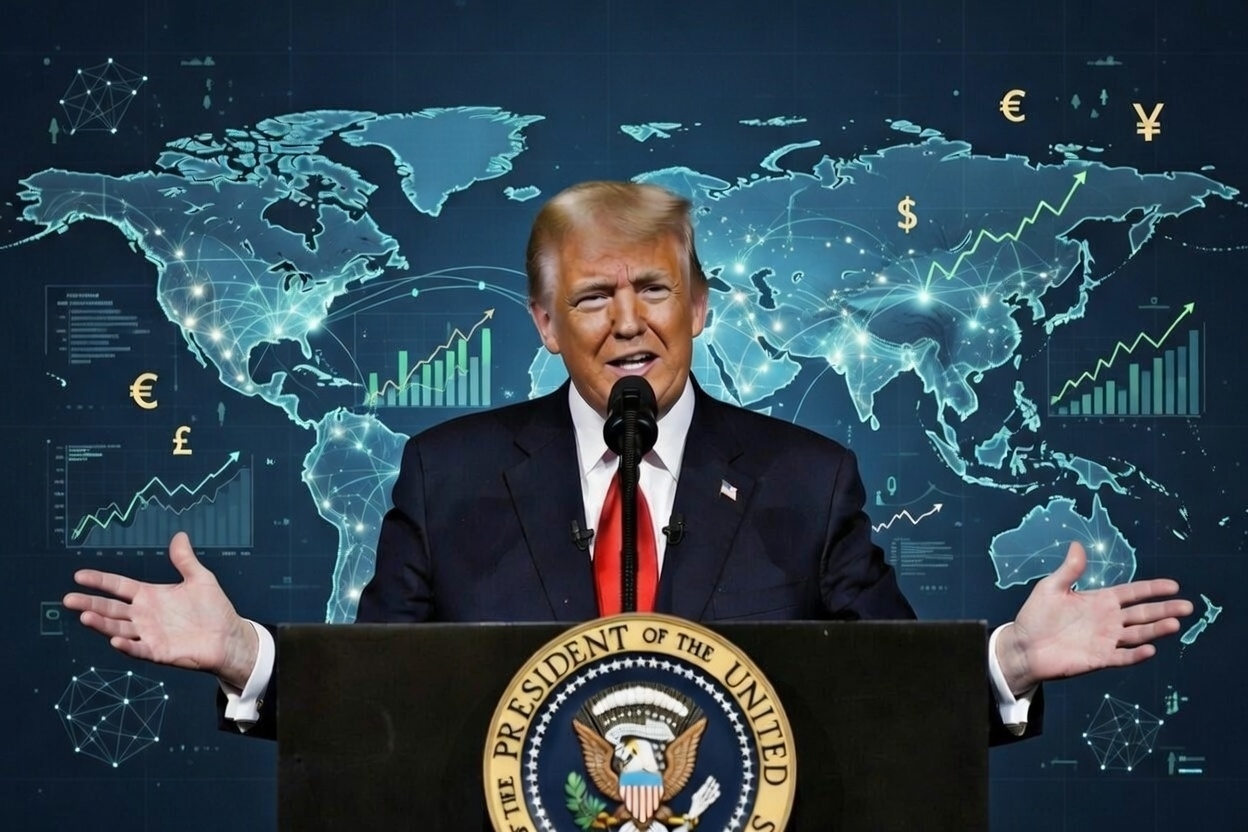
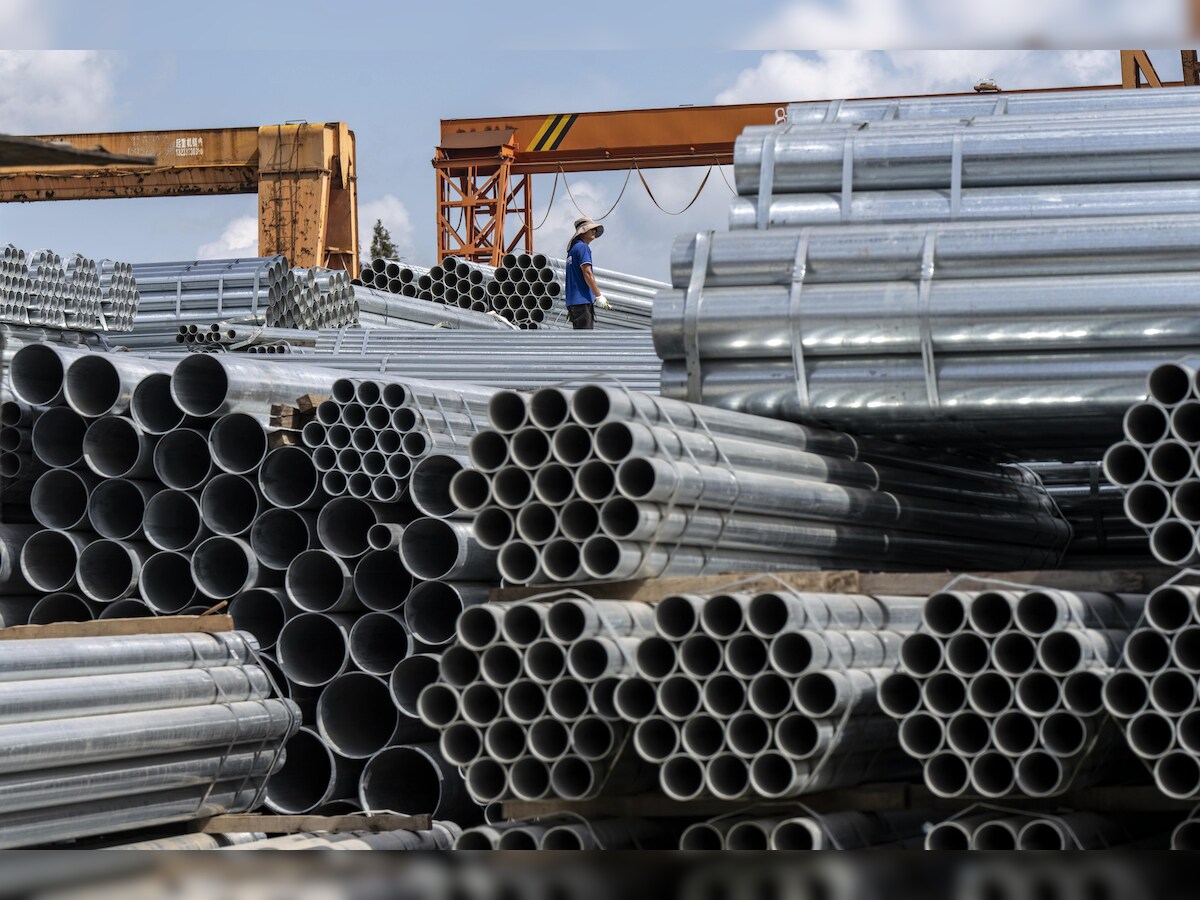
Hani Abuagla, Chief Market Analyst at XTB, told Argaam that some industries—such as steel and aluminum—partially benefited from tariffs, with modest employment gains, but “the costs spilled over into broader sectors.”
He noted that large US corporations stockpiled raw materials to avoid tariffs, leading to bottlenecks and delivery delays, particularly in rare metals. This behavior, he said, extended beyond the US, reshaping global demand and resource competition.
Previous US economic studies on the 2018–2019 tariff wave found that most of the burden fell on US importers and consumers rather than foreign exporters.
Ahmed Azzam, Head of Research at Equiti Group, told Argaam that protectionism “delivers quick and visible political gains, but imposes slower and more widespread economic costs.”
Citing the previous wave of tariffs, Azzam noted that US studies showed most of the tariff burden was passed on to the US importers, distributors, and ultimately the end consumers.
He warned that maintaining tariffs in an environment where inflation remains unresolved could pressure purchasing power, weaken consumer confidence, and slow private investment due to uncertainty.
Uncertainty surrounding the potential use of additional tariff measures increases market sensitivity to any new trade announcement, Azzam said.
Ali Metwally, an economic consultant in London, said the risk lies not only in tariffs themselves but in the normalization of protectionism as a permanent negotiating tool. Major economies such as China and the EU may respond not only with reciprocal tariffs, but also export controls, anti-dumping measures, and restricted market access.
If expanded, this trend could regionalize supply chains, raising structural production costs globally and leading to a sustained trade slowdown.
The World Trade Organization has previously warned that escalating trade restrictions weigh on global trade growth, while the Organization for Economic Co-operation and Development (OECD) expects global growth to slow to 2.9% in 2026 amid such tensions.
Interest Rate Pressure: Growth Support or New Inflation Spark?
Trump has publicly pressured the Federal Reserve to cut interest rates to support growth. But would such a move benefit the global economy?
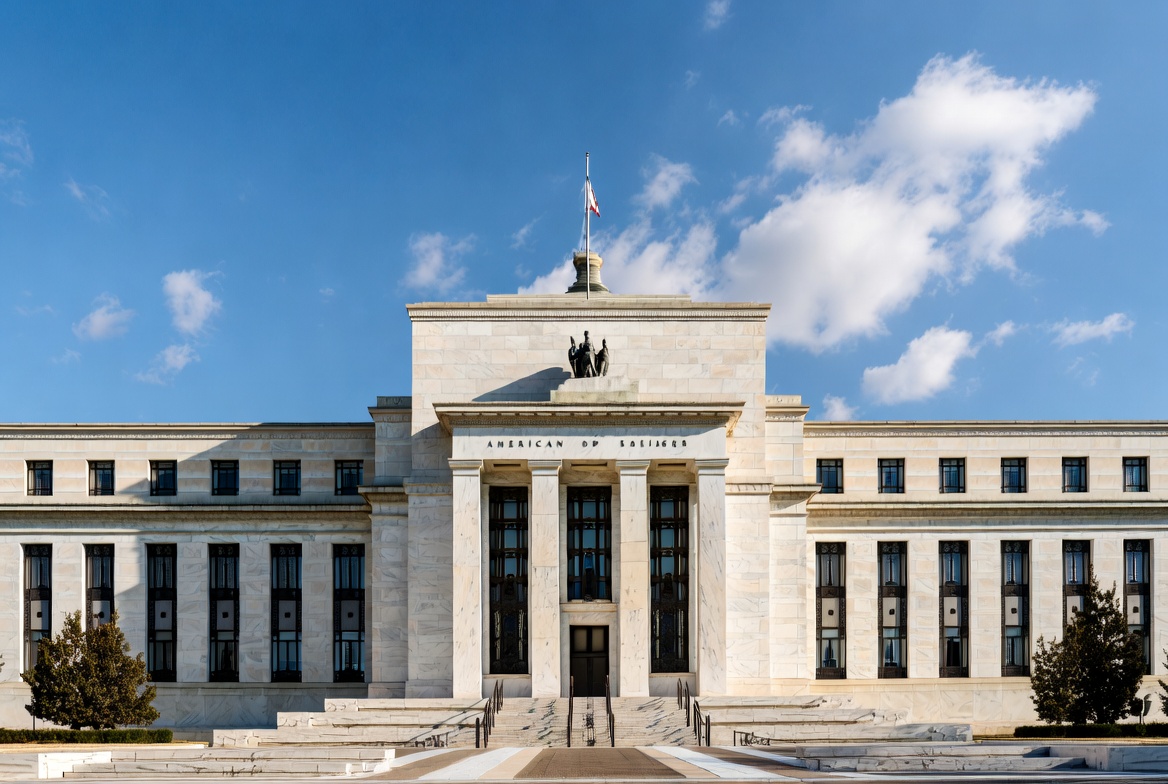
The Fed kept rates unchanged at its latest meeting, noting inflation remains “somewhat above target.” With inflation at 2.4% and PCE near 2.9%, policymakers are proceeding cautiously.
Azzam said early rate cuts could provide short-term support through improved risk appetite, a softer dollar, and lower financing costs—but warned that easing amid new shocks such as tariffs or rising energy prices could reignite inflation.
History offers a lesson: In the 1970s, monetary accommodation amid oil shocks triggered a double-digit inflation wave, eventually forcing the Fed into aggressive rate hikes and a severe recession.
Abuagla described energy prices as the “key player” in inflation dynamics, warning that any sudden spike in oil could reverse the current disinflation trend, particularly as part of the recent decline was driven by lower energy prices and used car prices.
Metwally added that if the Fed appears to yield to political pressure, it could undermine perceptions of its independence, increasing risk premiums on US assets and volatility in dollar-linked emerging markets.
Military Escalation and Economic Fallout
Geopolitics cannot be ignored in assessing global growth prospects. Any US-led military escalation—particularly involving Iran—would immediately put energy markets under scrutiny.
Around 20 million barrels per day—nearly 20% of global oil liquids consumption—pass through the Strait of Hormuz, along with a significant share of global LNG trade, according to US Energy Information Administration data.
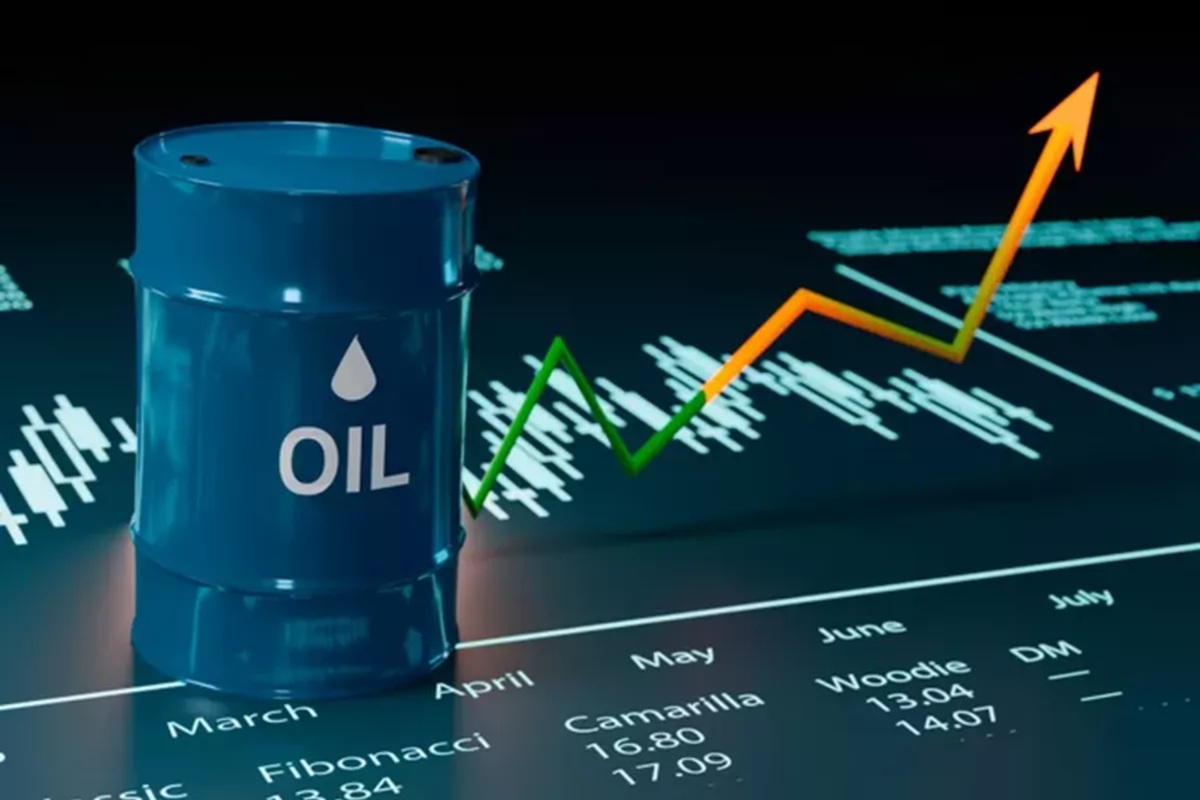
Azzam noted that the impact would extend beyond oil prices. A sharp rise in energy could accelerate US inflation, derail the rate-cutting path, and increase volatility in equity and bond markets.
Markets typically price risk in two stages: an immediate reaction in oil, gold, and defensive currencies, followed by gradual spillover into the real economy via higher transport and production costs.
Any new energy-driven inflation wave could complicate the Federal Reserve’s policy calculus, particularly if it coincides with political pressure to cut interest rates.
Metwally cautioned that the most dangerous scenario would not be a limited strike, but a prolonged escalation or broad Iranian response, potentially redirecting shipping routes, raising maritime insurance premiums, increasing global transport costs, and posing more pressures on supply chains.
He stressed that a full closure of the strait remains a technically and politically complex scenario, but emphasized that “markets do not wait for a complete shutdown to price in the risk.”
Abuagla expects that a direct military escalation could push oil prices up by $10–15 in a short period—assuming no direct targeting of oil tankers or full closure of the Strait.
He noted that markets are currently highly sensitive to geopolitical risks. Higher maritime insurance premiums and shipping costs could materialize even without an actual disruption to supplies. In other words, the market is pricing in the possibility before the event occurs.
Is Protectionism Becoming Contagious?
The greater danger may not lie in tariffs themselves, but in the global spread of protectionism.
China has already responded with counter-tariffs and export restrictions, particularly on rare earth minerals, while the EU is considering deploying its “anti-coercion instrument,” potentially targeting services as well as goods.
Metwally warned that the most concerning scenario is not merely a “tariff war,” but a gradual fragmentation of global value chains.
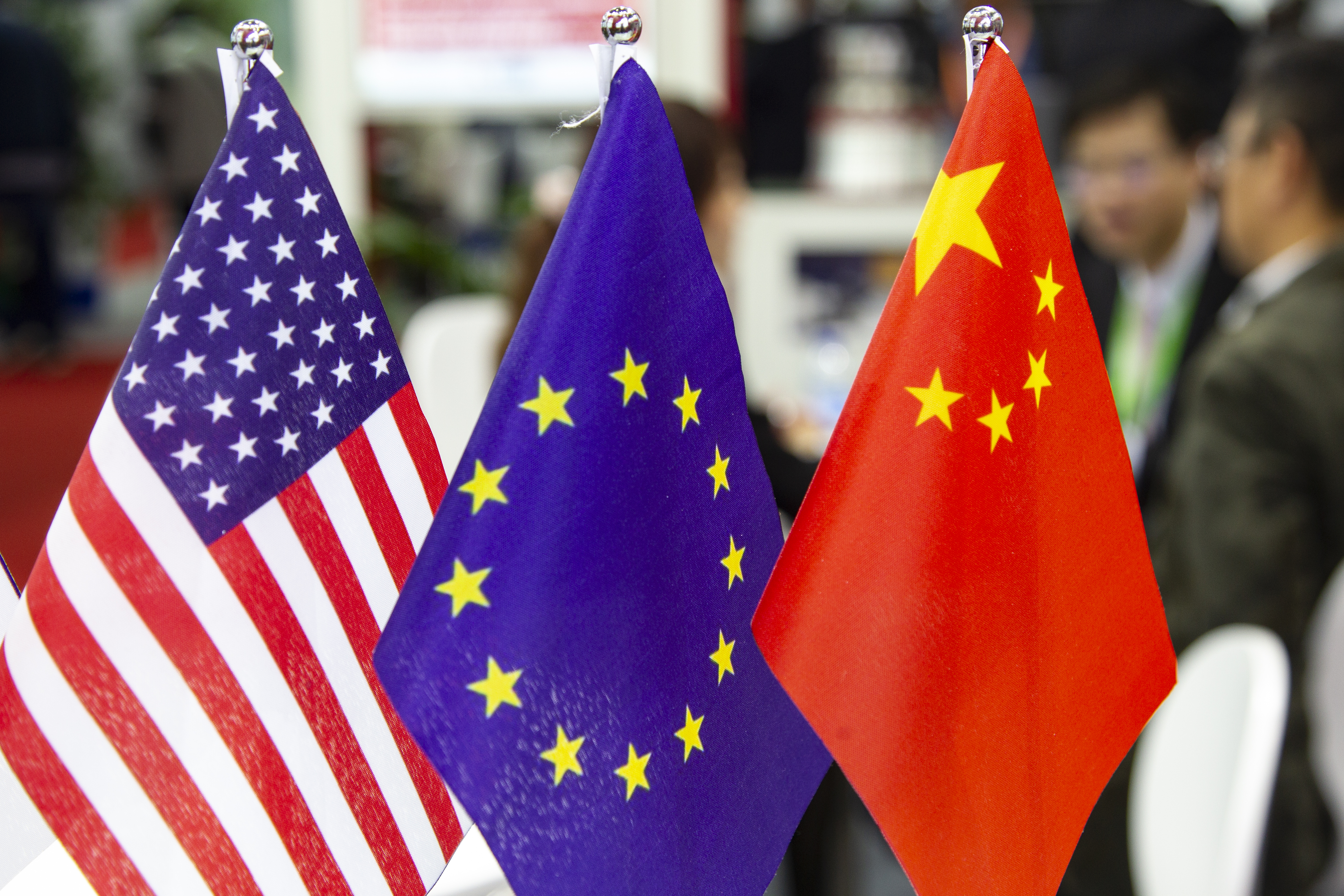
If retaliatory measures broaden among the US, China, and Europe, supply chains could become more regionalized, foreign direct investment could decline, goods trade could contract, and global growth could slow structurally, Metwally said.
He warned that this trend could push the global economy toward a more fragmented model, reducing the efficiency of global resource allocation and increasing volatility.
Abuagla said protectionist contagion is already plausible, as countries facing tariffs “cannot afford silence.” Responses may go beyond reciprocal duties to include export restrictions on strategic materials and selective industrial support.
Azzam described the potential scenario as a “long and costly repricing of globalization,” where uncertainty prompts companies to delay investments, scale back expansion, and hoard liquidity rather than commit to productive capital spending.
Such a shift could redirect capital toward debt instruments and safe havens instead of real investment, weighing on long-term growth.
At a time of heightened uncertainty, the global economy stands at a crossroads: either tensions are contained within negotiation frameworks, or the world slips into a new cycle of fragmentation and slowdown.
In an interconnected financial and trade system, decisions made in Washington are no longer domestic affairs—they are potential sparks with global consequences.
Sources: Argaam – US Energy Information Administration – Reuters – Federal Reserve – Bloomberg – World Trade Organization – OECD – US Bureau of Labor Statistics – US Bureau of Economic Analysis
Comments {{getCommentCount()}}
Be the first to comment
رد{{comment.DisplayName}} على {{getCommenterName(comment.ParentThreadID)}}
{{comment.DisplayName}}

{{comment.ElapsedTime}}


Comments Analysis: