

-
 Bank Ranking
Banks Ratios
Cement Statistics
Cement Ranking
Cement Ratios
Monetary and Economic Statistics
Oil, Gas and Fuel
Macro Economy
Consumer Spending
Inflation
Exports & Imports
Food Prices
Non Food Prices
Construction Materials
Petrochem. Ranking
Petrochem. Ratios
Retail Rankings
Retail Ratios
Grocery Ranking
Grocery Ratios
Top Growth
Dividend History
Bank Ranking
Banks Ratios
Cement Statistics
Cement Ranking
Cement Ratios
Monetary and Economic Statistics
Oil, Gas and Fuel
Macro Economy
Consumer Spending
Inflation
Exports & Imports
Food Prices
Non Food Prices
Construction Materials
Petrochem. Ranking
Petrochem. Ratios
Retail Rankings
Retail Ratios
Grocery Ranking
Grocery Ratios
Top Growth
Dividend History

SASCO eyes 100 new stations annually; expansions gradually boost profitability: CEO

 AI Summary

Content Summary: 
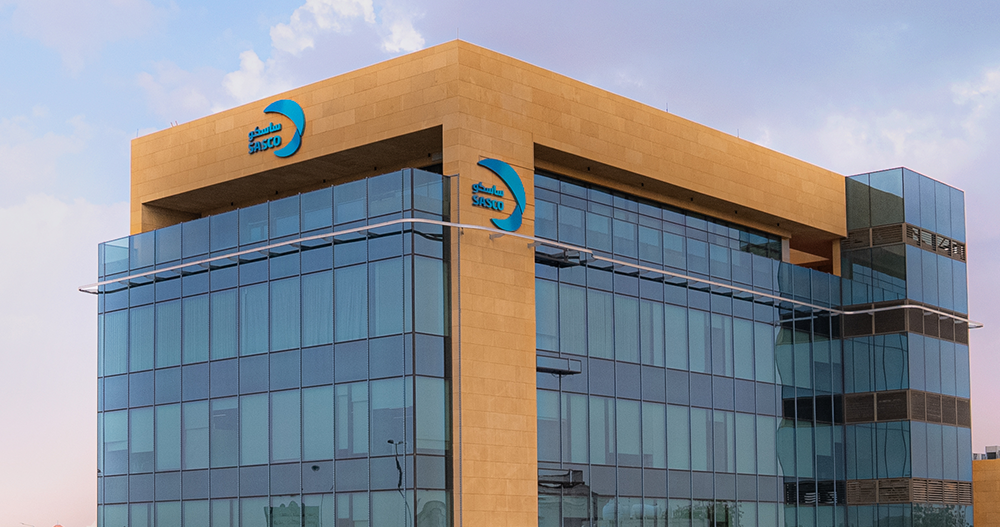
Saudi Automotive Services Co. (SASCO) headquarter
Saudi Automotive Services Co. (SASCO) is continuing a broad expansion and operational rollout that includes adding new fuel stations and expanding its Palm convenience store network, said Sultan Al-Hudaithi, Vice Chairman and Managing Director.
Such investments typically support profitability gradually as assets mature and operating efficiency improves.
In an interview with Argaam, Al-Hudaithi said around 86% of the company’s stations operate under direct ownership or lease agreements, giving SASCO greater exposure to any potential improvement in fuel margins compared with some other operating models in the sector.
SASCO continues to strengthen its position as one of Saudi Arabia’s largest fuel station operators, with its network accounting for around 10% of all operating stations across the kingdom.
The company aims to add around 100 stations annually in 2026 and 2027 through both development projects and acquisition opportunities, while focusing on high-quality locations and long-term returns, he said.
Al-Hudaithi added that SASCO remains open to acquiring existing companies and stations as part of its strategy to expand and strengthen its presence in the Saudi market.
He also outlined the company’s expansion plans for its fuel station and Palm store networks, as well as developments in investment and logistics activities, saying SASCO is betting on long-term growth driven by operational expansion and disciplined execution. Here’s the full interview with Al-Hudaithi:
Q: Why did SASCO post a loss in Q1 2026 despite revenue growth?
A: The main reason is that the company is undergoing a large-scale operational expansion, both through adding new fuel stations and expanding the Palm convenience store network. Investments of this nature typically take time before their full positive impact is reflected in operations and profitability.
Results were also affected by seasonal factors, particularly Ramadan and the Eid holiday, alongside a shift to remote working across some sectors, which weighed on net income by around SAR 2 million. Temporary closures linked to redevelopment processes, station upgrades and rebranding efforts also pressured sales during the implementation period.
In addition, the company incurred accounting impacts related to expansion through long-term lease contracts for new stations, particularly during the early years of lease agreements under IFRS16.
Operating costs also increased, including higher diesel prices, which raised transportation, fuel evaporation, and bank guarantee costs by around SAR 4 million. Interest costs — including bank interest and lease-related financing charges — rose by nearly SAR 7 million as a direct result of the company’s expansion, alongside higher expenses tied to operations, compliance and sector-related development requirements.
The quarter also included several non-recurring items, including the exit from underperforming sites as part of the company’s portfolio optimization plan, with a financial impact of around SAR 5 million. The company also booked non-cash provisions of nearly SAR 4 million unrelated to realized losses, in addition to non-recurring losses at one subsidiary amounting to about SAR 4.2 million. These items are exceptional in nature and are not expected to recur.
Despite the near-term pressure, the broader picture reflects a phase of accelerated growth rather than any structural deterioration. There is currently a temporary mismatch between the pace of station expansion and growth in fuel sales volumes, as newly opened stations typically require an operational ramp-up period before reaching optimal utilization levels. As these stations mature and the operating network expands, the company expects operational and profitability indicators to improve gradually over the coming periods.
Q: When do you expect new stations to break even and begin generating stable operating profits?
A: The timeline to break-even varies from one station to another depending on factors such as location, operating model and traffic density. Some stations ramp up more quickly, while others require a longer period to reach targeted operating levels.
However, the company approaches expansion from a long-term strategic perspective, with every station undergoing rigorous operational and financial evaluation before acquisition or launch.
Some acquisitions are not solely aimed at delivering immediate profitability, but also at strengthening geographic reach, expanding the asset base and building a resilient network capable of supporting future growth targets.
Q: How do you assess the impact of recent expansions — particularly NAFT— on SASCO’s leverage and profit margins?
A: Naturally, any major expansion or acquisition on the scale of NAFT has a temporary impact on leverage and financing costs. However, the transaction also enabled SASCO to accelerate its presence in strategic locations and add company-owned stations on key highways across Saudi Arabia.
From this standpoint, such acquisitions should not be assessed purely on their short-term earnings impact, but also on the market share, real estate assets and stronger long-term positioning they bring to the company.
Q: Does SASCO have specific expansion targets for 2026 and beyond?
A: SASCO continues to pursue a disciplined and sustainable expansion strategy while maintaining the flexibility to adapt to changing market conditions and construction activity across the Kingdom.
The company added 72 stations in 2024 and a further 81 stations in 2025. During the first quarter of 2026 alone, SASCO opened 30 new stations, representing growth of nearly 15% year-on-year.
SASCO targets adding around 100 stations annually in 2026 and 2027 through both greenfield developments and acquisition opportunities, with a focus on location quality and long-term returns. The company also remains open to acquiring brownfield assets as part of its expansion strategy.
Q: Why does SASCO continue expanding the Palm convenience store network despite rising competition in the retail sector?
A: We view Palm stores as a core part of transforming fuel stations into integrated service and retail destinations, rather than simply refueling points. This aligns with the Ministry of Energy’s broader station qualification framework.
Today’s customers are looking for a more integrated experience, which is why we are focused on increasing the contribution of non-fuel activities that typically offer higher and more stable margins.
The number of Palm stores rose to 324 during the recent period, marking annual growth of more than 50%, while sales increased 52% supported by new locations. This reflects the success of the strategy and growing demand for complementary services within stations.
Q: How do you explain higher employee costs in Q1 2026 financial statements?
A: As the company continues to expand, employee costs increased due to higher headcount needed to operate newly added stations and Palm stores, in addition to the consolidation of staff costs related to Tadbeer, which was recently acquired.
Q: What are the company’s future plans for expansion and investment across subsidiaries and other business segments?
A: The company remains focused on disciplined expansion across fuel stations, Palm convenience stores, transportation and logistics, while prioritizing investments that improve operating efficiency and support sustainable growth.
We are also working to enhance integration across subsidiaries and group activities to improve operational efficiency and further diversify revenue streams.
Q: What are the latest developments about the company’s investment in xAI?
A: We view the investment in xAI as an important strategic step, particularly in light of the company’s recent developments and significant valuation growth. Management continues to assess strategic options related to the investment in a way that supports the company’s financial position and helps reduce financing costs over the longer term, while monitoring and disclosing any material developments.
The book value of the company’s investment in xAI stood at around SAR 108 million, according to the latest disclosed financial statements, based on valuations provided by the underlying investment vehicle.
The investment was made through an investment fund, whose valuations are reviewed and updated periodically — either quarterly or semi-annually — in line with the fund manager’s policies and approved valuation methodologies.
Any change in the fair value of the investment, once updated valuations are received from the investment team or fund manager, is reflected in the company’s financial statements in accordance with applicable accounting standards.
Q: What are the latest developments about SASCO’s plan to monetize real estate assets valued at more than SAR 500 million?
A: The company continues to evaluate strategic opportunities related to its real estate portfolio, whether through outright sales or sale-and-leaseback transactions for selected assets when appropriate.
Talks are also ongoing with several interested parties, and any material developments will be disclosed through Tadawul in line with applicable regulations.
Q: To what extent is SASCO prepared to comply with the Ministry of Energy’s new requirements?
A: The company has been upgrading its stations in line with modern standards for several years, meaning a large portion of the regulatory requirements has already been implemented across the SASCO network.
Moreover, ongoing investment in station upgrades and operational infrastructure forms part of a long-term strategy aimed at improving asset quality and customer experience, rather than merely responding to regulatory requirements.
Q: How would any potential increase in regulated fuel margins affect the company’s profitability?
A: If fuel margins are adjusted positively, we expect SASCO to be among the top beneficiaries given the scale and reach of its network.
In addition, around 86% of the company’s stations operate under direct ownership or lease structures, giving SASCO greater exposure to any improvement in fuel margins compared with some other operating models in the sector.
Q: How does management view the transportation and logistics sector in light of Saudi Vision 2030 targets?
A: We believe transportation and logistics represent one of the most promising long-term sectors, particularly as Saudi Arabia seeks to strengthen its position as a global logistics hub under Vision 2030.
Accordingly, SASCO continues to expand in the sector through fleet growth, improved operating efficiency and greater integration between transportation activities and the station network. The company is also studying a potential listing of the business on the stock market.
During the first quarter of 2026, the number of active trucks reached 555, while SATA sales exceeded 10,000 units, reflecting continued growth in the segment.
Q: What is the company’s estimated market share in Saudi Arabia’s fuel retail sector?
A: SASCO continues to enhance its position as one of the Kingdom’s largest fuel station operators, with its stations accounting for around 10% of all operating stations across Saudi Arabia.
More than 50 million vehicles visited the company’s stations during the first quarter of 2026, reflecting the scale of the network and strong operating activity nationwide.
Q: What are your expectations for the company’s performance during the remainder of 2026?
A: We expect performance to improve gradually over the rest of 2026 as newly opened stations mature and contributions from affiliated businesses increase, alongside continued efforts to improve operating efficiency and asset quality.
The company also continues to execute strategic investments that support sustainable medium- and long-term growth, strengthening its ability to generate added value for shareholders.
Q: What about the SASCO app contribution to revenue growth and customer experience?
A: The SASCO app represents a key pillar of the company’s digital transformation strategy, helping improve customer experience, strengthen loyalty and increase the use of electronic payments across stations.
The app recorded strong growth recently, with electronic wallet top-ups rising 37% in the first quarter of 2026 compared with the same period a year earlier, while total downloads reached around 1.2 million.
The company also continued expanding the app’s services by integrating Palm stores, EV charging services and roadside assistance within Riyadh, alongside additional digital services and partnerships that support the expansion of SASCO’s digital ecosystem.
Q: Could you elaborate on the accounting impact of long-term lease contracts following the adoption of IFRS16?
A: The company relies heavily on long-term lease agreements as part of its expansion strategy. Under IFRS 16, lease obligations are recognized in a way that creates a more pronounced accounting impact during the early years of a contract, particularly amid rapid expansion and the signing of new leases.
Naturally, this impact becomes more visible during periods of accelerated growth before new stations fully mature and reach targeted operating contribution levels. Over time, however, the effect gradually normalizes as operating efficiency improves and sales volumes increase over the medium to long term.
We view these lease agreements as a fundamental component of building a strong and sustainable network that supports long-term growth and strengthens the company’s market presence.
Comments {{getCommentCount()}}
Be the first to comment
رد{{comment.DisplayName}} على {{getCommenterName(comment.ParentThreadID)}}
{{comment.DisplayName}}

{{comment.ElapsedTime}}


Comments Analysis: